




Introduction
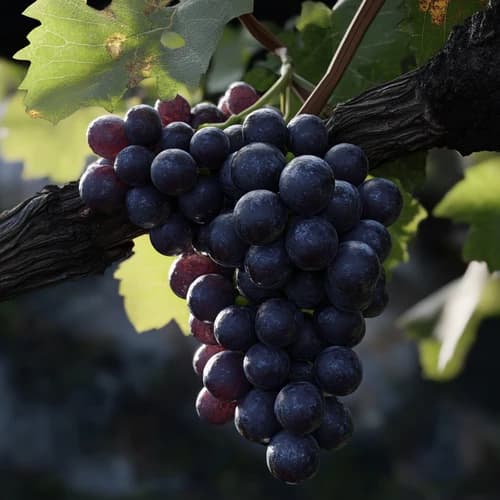
Portugieser is the underestimated everyday hero among red wine varieties — light, fruity, and so uncomplicated that it is perfect for spontaneous barbecue evenings or relaxed summer nights. Despite its name, the grape variety does not originate from Portugal but has found its true home in Germany and Austria. What makes Portugieser special? Its approachable nature, which makes it the ideal entry-level wine for red wine newcomers without boring experienced wine lovers.
Flavour Profile & Character
Portugieser is a genuine charmer that wins over with its uncomplicated nature. In the glass it presents itself in a light to medium ruby that already hints visually at its light nature. The nose is dominated by fresh aromas of red fruits — juicy cherries, ripe strawberries, and raspberries take centre stage. Delicate floral notes and sometimes a hint of fresh herbs join in.
On the palate Portugieser shows its gentle side: the tannins are soft and restrained, almost velvety. The acidity is lively enough to give the wine freshness without making it seem sharp. The body remains pleasantly light, which makes Portugieser a perfect companion for warm days — yes, you read that right: this is one of the few red wines that also tastes excellent lightly chilled!
Depending on vinification, Portugieser can show different facets. Most producers opt for a fresh, fruit-driven style without oak barrels to preserve the natural fruitiness. Some ambitious producers, however, experiment with short maceration or barrique ageing, which lends the wine more structure and complexity. With increasing age, high-quality Portugiesers develop discreet spicy notes and an even velvety texture, but remain fundamentally wines that should be drunk young.
Origin & History
The name "Portugieser" is one of the greatest misnomers in the wine world — for this grape variety has virtually nothing to do with Portugal. The precise origin remains unclear to this day, but most ampelographers assume that the variety originally came from the Austro-Hungarian Danube region. One theory holds that the grape received its name because it reached Central Europe via Portuguese trade routes in the 18th century.
The first documented evidence of the variety appears in the 19th century in Austria, where it became known under the name "Blauer Portugieser". From there it spread rapidly to Germany, where it found fertile ground — in the most literal sense — particularly in the Pfalz and Rheinhessen.
The variety had its golden age in the post-war period: Portugieser was popular with producers due to its high yields and uncomplicated cultivation, while consumers appreciated its light, easy-drinking style. In the 1970s and 1980s it was considered a "mass wine" and lost prestige. Today the variety is experiencing a small renaissance: modern producers are rediscovering the potential of Portugieser and vinifying it with more care — as an honest, pleasurable wine without inflated ambitions.
Cultivation & Terroir
Portugieser is an undemanding and robust grape variety that is content with a wide range of locations — a characteristic that has contributed to its wide distribution. It prefers warm, temperate climates and copes well with the continental conditions in Germany and Austria.
Climatic requirements: The vine is relatively frost-resistant and buds late, which minimises the risk of late frost damage. It ripens early to mid-season and does not require excessively long, hot summers. This early ripening makes it interesting for cooler wine regions, as the grapes can ripen even in less sunny years.
Soil preferences: Portugieser is also flexible with soils. It thrives equally well on loam, loess, and sandy soils. On deep, fertile soils in particular it can produce high yields — which is both a blessing and a curse. Quality-conscious producers must counteract this with yield reduction to produce more concentrated wines.
Main growing regions:
- Germany: With over 4,000 hectares, Germany is the most important growing country. The Pfalz leads with around 1,500 hectares, followed by Rheinhessen with approximately 1,000 hectares. The variety is also valued on the Ahr.
- Austria: Here it is mainly cultivated in Lower Austria and Burgenland, where it is known as "Blauer Portugieser".
- Other countries: Smaller plantings are found in Hungary, Croatia, and Slovakia.
Wine Styles & Variants
Portugieser is primarily a variety for uncomplicated, fruity red wines, but the range of styles is wider than one might initially expect.
Classic Portugieser: The most common style is the light, fruit-driven red wine without oak barrel use. These wines are aged in stainless steel tanks to preserve the fresh fruit aromas. They are drunk young and are excellent as a carafe wine or for convivial occasions.
Premium Portugieser: Some ambitious producers get more out of the variety by drastically reducing yields and selectively picking the grapes. These wines are partially aged in used barriques and show more structure, depth, and ageing potential. They are more serious and complex, but retain the typical Portugieser elegance.
Weißherbst & Rosé: Portugieser is also happily used to make Weißherbst (in Germany) or rosé. These wines are wonderfully fresh, aromatic, and perfect for warm summer days.
Blend partner: Although Portugieser is usually produced as a single variety, it is occasionally found in blends with more powerful varieties such as Spätburgunder or Dornfelder, where it contributes freshness and elegance.
Typical Aromas
Primary Aromas (from the grape)
Red Cherry: The heart of Portugieser — juicy, sweet cherry notes dominate the aroma profile. Depending on ripeness these can range from light and fresh to darker and more concentrated.
Strawberry: Fresh, ripe strawberries are a hallmark of the variety, especially pronounced in wines from cooler years or sites. These strawberry notes give the wine its approachable, almost sweet fruitiness.
Raspberry: Delicate raspberry aromas complement the berry bouquet and bring a slightly tart component that provides freshness.
Floral Notes: Many Portugiesers show discreet floral notes — sometimes reminiscent of violet, sometimes of rose petals. These floral accents lend the wine elegance and finesse.
Fresh Herbs: Subtle herbal notes — recalling freshly cut grass or delicate garden herbs — add extra complexity and freshness, especially in wines from cooler sites.
Secondary Aromas (from winemaking)
Buttery Notes: In wines that have undergone malolactic fermentation, discreet creamy or buttery notes can develop that give the wine more fullness.
Spice Notes: Through brief barrique ageing in premium wines, subtle spice notes such as vanilla or cinnamon can develop, adding an extra dimension to the wine without masking the fruit.
Tertiary Aromas (from ageing)
Portugieser is fundamentally not a wine for long cellaring. Most wines should be drunk within 2–3 years, when their fresh fruit aromas are at their best.
In higher-quality Portugiesers vinified with care, the following tertiary aromas can develop after 3–5 years:
Mushroomy Notes: With increasing age, earthy, mushroomy nuances develop that can recall forest floor.
Dried Fruits: The fresh berry notes slowly transform into aromas of dried fruits or prunes.
Spiciness: Discreet spice notes such as white pepper can appear, lending the aged wine more complexity.
Important to note: Most Portugiesers are explicitly made for young consumption and should not be cellared. Their strength lies in fresh fruitiness, not in ageing ability.
Food Pairing
Portugieser is a grateful dining companion that, thanks to its light nature and moderate tannic structure, pairs with many dishes.
Perfect Combinations
Grilled Bratwurst & Summer Salads: The classic! The fruity acidity of Portugieser cuts through the fattiness of the sausage, while the gentle tannins complement the smoky grill notes. Add a crisp salad with vinaigrette — perfect for any barbecue evening. The light structure of the wine makes it the ideal companion for convivial gatherings.
Pizza & Pasta with Tomato Sauce: The lively acidity of Portugieser harmonises beautifully with the tomato acidity in these dishes. Whether a classic Margherita or Spaghetti Bolognese — the fruity cherry aromas of the wine form a delicious bridge to the savoury flavours. Make sure to serve the wine lightly chilled, and this combination works even better.
Cold Platters & Charcuterie: Lightly chilled Portugieser is the perfect partner for a sharing board with various sausages, mild cheeses, and pickled vegetables. Its fruitiness balances the salty components, while the freshness of the wine refreshes the palate between bites.
Braised Poultry: Chicken fricassee, Coq au Vin, or braised duck breast with fruit sauces — this is where Portugieser plays to its strengths. The fruity notes of the wine complement fruit-based sauces beautifully, while the tannic structure remains gentle enough not to dominate the delicate meat.
Not recommended: Heavy, fatty meat dishes such as beef steak or lamb leg overpower the light Portugieser. Very spicy Asian or Indian dishes are also not an ideal choice, as they would mask the subtle character of the wine.
Conclusion
Portugieser may seem unspectacular at first glance, but that is precisely its charm: it is an honest, pleasurable wine without airs, one that is often underestimated in its lightness and freshness. At a time when many red wines are becoming ever more powerful and alcohol-heavy, Portugieser offers a welcome alternative — a wine that can be enjoyed lightly chilled even on a mild summer evening without weighing you down. Perfect for all those who seek uncomplicated joy of life in their wine.