




Introduction
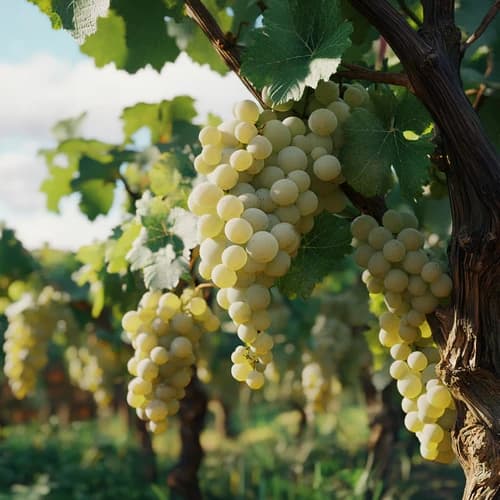
Gutedel is the quiet celebrity among German white wines – a variety that does not flaunt loud aromatics but convinces through subtle elegance and honest terroir expression. Above all in Baden, in the Markgräflerland between Freiburg and Basel, this variety – also known as Chasselas – has found its German home. What makes Gutedel particularly special is its ability to transport the character of the soil into the glass unfiltered – a white wine for connoisseurs who prefer the quiet to the loud.
Flavour Profile & Characteristics
Gutedel divides opinion: while some dismiss it as boring, wine lovers appreciate precisely this restrained character. In the glass it presents a pale yellow, often almost water-white wine with subtle aromas of green apple, pear and a hint of white peach. The acidity is discreetly present but never intrusive – just the right balance for uncomplicated drinking pleasure.
What distinguishes Gutedel from more aromatic varieties such as Sauvignon Blanc or Riesling is its almost neutral fruitiness. Instead of loud primary aromas, minerality takes centre stage. A Gutedel from volcanic rock tastes different from one grown on shell limestone – and that is precisely its appeal. Growers often speak of a "salty" or "stony" note that becomes particularly clear in wines from calcareous soils.
Winemaking plays a decisive role: vinified in stainless steel, the fresh, fruity notes are preserved. With spontaneous fermentation or brief skin contact, Gutedel develops more structure and a lightly nutty, almond-like component. With age – though Gutedel should fundamentally be drunk young – it develops a honey-like sweetness, but loses freshness quickly. The ideal drinking window is 1–3 years after harvest.
Origin & History
The cradle of Gutedel lies probably in the Near East or Egypt – DNA analyses point to one of the oldest cultivated grape varieties of all. The Romans brought the grape to Switzerland and France, where it became known as Chasselas or Fendant. The name "Gutedel" probably derives from the Middle High German "guot edel" and describes the noble quality of the grape.
In Baden, Gutedel has been cultivated since the 16th century. The Markgräflerland region developed into the German centre of the variety – favoured by the mild climate and the volcanic-calcareous soils. While Gutedel enjoys national status in Switzerland, especially in the canton of Vaud, it occupies more of a niche in Germany. That is slowly changing, as young winemakers are rediscovering its potential for characterful terroir wines.
Today Gutedel is grown worldwide on around 5,000 hectares. Switzerland leads with around 3,800 hectares, followed by Germany with around 1,100 hectares (almost exclusively in Baden). Smaller plantings exist in France (Savoy), Austria and New Zealand.
Viticulture & Terroir
Gutedel loves warmth and sunshine but also copes in cooler sites – one reason for its distribution in the border regions between Germany and Switzerland. As an early-ripening variety it can be harvested as early as late September, minimising the risk of autumn frosts. The vine is fairly undemanding but prefers deep, well-drained soils with an adequate water supply.
In the Markgräflerland, Gutedel benefits from the mild climate of the Upper Rhine plain, where warm air currents rise from the Mediterranean. The soils vary from volcanic rock through loess to shell limestone and red sandstone. Each soil type shapes the wine differently: volcanic soils bring spicy, smoky notes; limestone delivers firm minerality; loess produces softer, rounder wines.
In Switzerland, Gutedel dominates the Lavaux on Lake Geneva, where terraced vineyards with a direct view of the lake provide optimal conditions. The reflection of sunlight from the water and the steep southerly sites produce particularly ripe, full-bodied wines. In the Vaud and in the Valais (there called Fendant), Chasselas is also one of the most important varieties.
Yields are moderate to high – one reason why Gutedel was long regarded as a simple bulk wine. Quality-conscious growers reduce yields to 60–70 hl/ha and selectively hand-harvest to produce more concentrated wines.
Wine Styles & Variants
The classic Gutedel is a dry, light white wine with 11–12% alcohol, drunk young and fresh. This "table wine" style dominates the Markgräflerland and is perfect as an uncomplicated summer wine or for serving by the glass. Vinification takes place mostly in stainless steel at cool temperatures to preserve freshness.
Ambitious growers experiment with various ageing approaches: spontaneous fermentation, skin contact and malolactic fermentation bring more complexity and structure. Some producers work with old wooden barrels, which lend Gutedel a creamy texture and discreet toasty notes – without masking the variety's individuality.
In Switzerland, Chasselas is often aged "sur lie," that is, on the fine lees. This brings more body and a slightly yeasty, bready note. The Valais Fendant wines tend to be somewhat more powerful and warm than their Vaud counterparts.
Sekt from Gutedel is still a rarity but is gaining importance. The fine acidity and neutral aromatics make the grape an ideal base wine for elegant, lean sparkling wines by traditional bottle fermentation.
As a cuvée partner, Gutedel plays barely any role – the variety is produced almost exclusively as a single varietal. In rare cases blends with Müller-Thurgau or Pinot Blanc are found for more structure.
Typical Aromas
Primary Aromas (from the grape):
- Green apple: The leitmotif of Gutedel – fresh, crisp, with a light acidity as an underpinning. Particularly pronounced in wines from cooler sites or calcareous soils.
- Pear: Ripe, juicy pear aromas give the wine a discreet sweetness without feeling heavy. Typical of warmer vintages and riper harvests.
- White peach: A subtle hint of delicate stone fruit that appears mainly in fully ripe Gutedel from sun-drenched sites.
- Almond: Lightly nutty, almond-like tones, especially in wines with skin contact or extended lees ageing. Recalls sweet almonds, not bitter.
- Minerality: The heart of Gutedel – depending on the soil, notes of wet chalk, flint, pebbles or a salty component appear. This mineral imprint makes every Gutedel a unique expression of its terroir.
The primary aromas vary greatly with climate: in cooler regions green, crisp notes dominate (green apple, citrus), while warmer sites produce riper fruit (pear, peach).
Secondary Aromas (from winemaking):
- Yeast & brioche: With sur lie ageing or extended lees contact, creamy, yeasty notes develop with a hint of fresh bread dough.
- Butter & cream: Malolactic fermentation and barrique ageing (rare) can produce buttery, creamy textures that lend Gutedel more fullness.
Tertiary Aromas (from ageing):
- Honey: After 2–3 years of bottle ageing, Gutedel develops a discreet honey note – though it simultaneously loses freshness, which is why most growers advise against long cellaring.
- Dried fruits: In exceptional vintages, aged Gutedel wines can show aromas of dried pear or apple.
Ageing potential: Gutedel is not a cellaring wine. The finest examples should be drunk within 1–3 years of the harvest. Only select terroir wines with particular structure can age for 5 years, with the aromas shifting from fresh-fruity to ripe and honeyed.
Food Pairing
Perfect Combinations:
-
Fresh goat's cheese & salads: The light acidity and mineral freshness of Gutedel harmonise perfectly with creamy fresh goat's cheese, mixed leaf salads with vinaigrette or a Mediterranean vegetable salad. The lightness of the wine mirrors the freshness of the dishes without either component overpowering the other.
-
Tarte flambée & onion cake: A classic in Baden – Gutedel cuts effortlessly through the creaminess of the crème fraîche and balances the onion note. The mineral character of the wine perfectly complements the hearty, lightly smoky aromas of the bacon.
-
Freshwater fish dishes: Trout, whitefish or pike-perch – whether grilled, poached or steamed – find in Gutedel a restrained but precise partner. The fine acidity supports the delicate texture of the fish, while the mineral notes amplify its natural freshness. Particularly good with fish served with herb butter or lemon.
-
Asparagus (white & green): One of the most difficult partners for wine, but Gutedel masters the challenge. Its neutral aromatics and moderate acidity allow the delicate asparagus flavour to shine without clashing. Ideal with asparagus served with Hollandaise sauce, ham or simply with melted butter.
General pairing rule: Gutedel is the perfect wine for light, fresh cuisine without heavy sauces or intense spicing. It excels where other wines would be too dominant – an ideal companion for modern, vegetable-forward cooking and a master of subtle harmony.