A barrique is a small oak barrel holding 225 litres. Learn how barrique ageing shapes wine and what aromas it creates.
Aromatic profile may vary depending on climate, soil and winemaking.
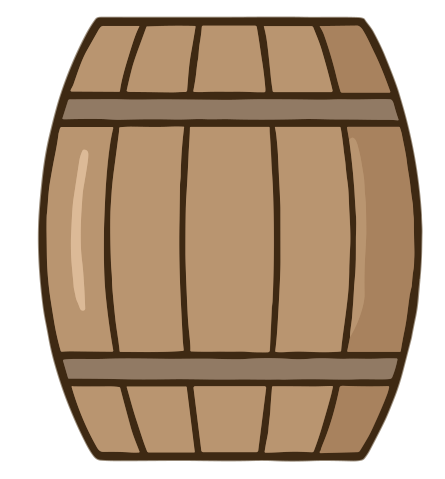
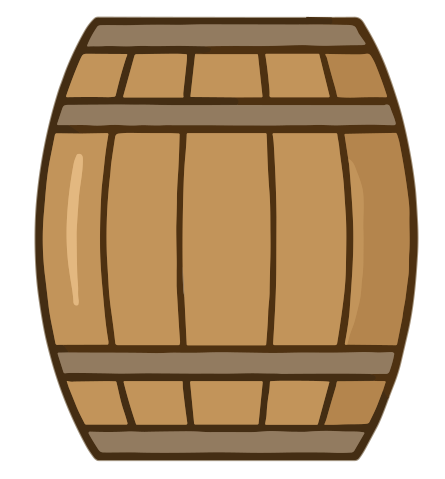
A barrique is a small oak barrel with a capacity of 225 litres, traditionally used for ageing wine. The name comes from the French word for "barrel" and has its origins in the Bordeaux region, where this barrel size has been standard for centuries.
The small size of the barrique is crucial: compared with large wooden casks, the wine has a much greater contact surface with the wood (a higher surface-to-volume ratio), resulting in a more intense influence of the wood on the wine. This significantly shapes the flavour, structure, and aromas.
One barrique holds approximately 300 bottles of wine (0.75 litres each).
Almost all barriques are made from oak, as oak offers the ideal combination of structural integrity, tightness, and flavour complexity. The two most important oak species are:
French oak (Quercus robur and Quercus petraea):
American oak (Quercus alba):
Other wood types (rare):
The inside of the barrique is "toasted" (charred) over an open flame, breaking down the wood structure and releasing new aroma compounds:
Ageing in barrique changes the wine on several levels:
The wood imparts characteristic aromas to the wine:
These secondary aromas complement the primary fruit aromas from the grape.
Minimal amounts of oxygen enter the wine through the pores of the wood. This gentle oxidation:
Barrique ageing gives the wine:
The transfer of aromas from a barrique decreases with each use:
New barrique (1st use):
2nd to 3rd use:
4th use and beyond (used):
Many producers combine new and used barriques to find the perfect balance. A wine aged 50% in new and 50% in used barrique will show more subtle oak notes than one aged 100% in new wood.
The time spent in barrique varies depending on wine type:
After barrique ageing, many wines continue to mature in bottle before release.
| Cask type | Size | Influence | Typical for |
|---|---|---|---|
| Barrique | 225 litres | Intense | Bordeaux, Rioja, international styles |
| Botti | 1,000–10,000+ litres | Subtle | Italy (Barolo, Brunello) |
| Stückfass | 1,200 litres | Moderate | Germany (Rheingau, Pfalz) |
Large casks like botti have less wood contact and exert considerably less influence on the wine. They serve more for maturation through micro-oxygenation than for aroma transfer.
Barrique ageing is not without its critics:
In favour of barrique:
Criticism:
Modern producers are increasingly moving towards a more restrained use of oak: larger casks, fewer new barriques, shorter ageing times, or no wood at all (ageing in stainless steel tanks).
Certain grape varieties benefit particularly from barrique ageing:
Red:
White:
If a label states "barrique aged", expect noticeable oak flavours — especially in wines from new casks. Wines described as "élevage en fûts de chêne" (aged in oak barrels) or "aged in oak" typically show clear oak influence.
Do you enjoy wines with notes of vanilla, toast, and spice? Then barrique-aged wines are for you. Do you prefer fruity, clean wines? Then opt for wines aged in stainless steel or with minimal wood contact.
Tip for wine collectors: wines with high-quality barrique ageing (particularly in French oak) often have better ageing potential and develop fascinating tertiary aromas over the years.
A barrique is a small oak barrel with a capacity of 225 litres, traditionally used for ageing wine. The name comes from Bordeaux, where this barrel size has been standard for centuries. A barrique holds around 300 bottles of wine.
Oak ageing gives the wine characteristic secondary aromas such as vanilla (vanillin), toast and roasted notes, spices (clove, cinnamon, nutmeg), coconut (especially with American oak), as well as smoke, cocoa and coffee with heavier toasting.
Because of its small size, the wine has a much larger contact surface with the wood (a higher surface-to-volume ratio). Large barrels such as botti (1,000-10,000+ litres) influence the wine far less and serve more for maturation through micro-oxidation than for aroma transfer.
The time spent in barrel varies by wine type: white wines age for 3-12 months, red wines for 12-24 months (sometimes up to 36 months for great wines), and Riserva wines often for 18-36 months. After barrique ageing, many wines continue to mature in the bottle.
A new barrique imparts maximum aromas and shapes the wine intensely with oak notes. With each use the aroma transfer decreases: from the fourth use onwards the barrel acts almost like a neutral vessel, delivering hardly any oak notes and mainly micro-oxidation.
With the Grape Guru app, you always have your personal wine encyclopedia in your pocket - plus AI scanner and food pairing.