




Introduction
Imagine sitting on a sun-drenched beach in the Mediterranean, a salty sea breeze all around you, and in your glass a crystal-clear, straw-yellow wine sparkles – that is Vermentino. This fascinating white wine grape variety embodies like few others the Mediterranean lifestyle and brings the essence of sunshine, sea and Italian joie de vivre directly into the glass. With its characteristic salty minerality, vibrant citrus aromas and refreshing acidity, Vermentino has become one of the most exciting white varieties of the Mediterranean region and is increasingly winning the hearts of wine lovers worldwide.
Flavour Profile & Character
Vermentino presents itself as an extraordinarily aromatic white wine with an unmistakable Mediterranean fingerprint. In the glass a typically straw-yellow to pale golden colour with greenish reflections is shown, visually signalling freshness from the outset.
The flavour profile is dominated by a lively, almost electrifying acid structure that gives the wine its characteristic freshness. Citrus aromas – above all lemon, lime and grapefruit – form the aromatic backbone and are accompanied by green apple and white peach. What truly distinguishes Vermentino, however, is its salty minerality: on the palate a fascinating salinity unfolds that recalls sea salt and oyster shells, lending the wine an almost maritime quality.
Different nuances emerge depending on ageing and origin. Wines from the coast, especially from Sardinia, develop a more intense saltiness and minerality, while examples from inland areas can show more body and riper fruit aromas. The typical finish is medium-length and often leaves a slightly bitter almond touch that harmonises perfectly with Mediterranean cuisine.
With extended cellaring, high-quality Vermentino wines develop additional complexity: the primary citrus aromas ripen to candied citrus peel, nuances of beeswax and aged almonds appear, without the characteristic freshness being lost.
Origin & History
The precise origin of Vermentino remains the subject of scientific debate and regional pride. DNA analyses suggest the variety may originally come from the Spanish-French border region before being spread throughout the western Mediterranean over the centuries.
The first reliable documentary mention of the variety dates from the 14th century in Liguria, where it was cultivated under the name Pigato. From there it made its way to the nearby island of Corsica and finally to Sardinia, where it has today achieved its greatest distribution and highest profile.
Today Sardinia is the undisputed centre of Vermentino production. It has been cultivated here for centuries and in 1988 earned the "Vermentino di Gallura" designation – the only DOCG classification for a Sardinian white wine – a testament to its outstanding quality and significance for the island.
Cultivation & Terroir
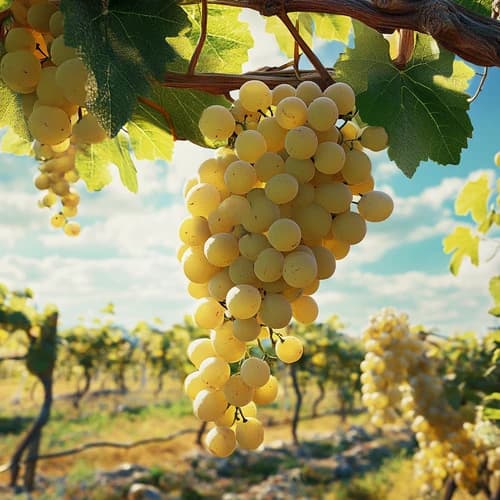
Vermentino is a thoroughly Mediterranean variety and thrives best in warm, dry climates with maritime influence. The proximity to the sea is not merely a geographical preference but fundamentally shapes the character of the wines: the salty sea breeze and cooling winds contribute to the characteristic minerality and freshness.
The variety prefers lean, stony soils with good drainage. On Sardinia it thrives particularly well on weathered granite soils that are poor in organic matter and force the vines to root deeply. These stress conditions lead to concentrated aromas and a pronounced minerality. In Liguria, Pigato grows on steep terraces with weathered schist, while limestone soils dominate on Corsica – each terroir lends the wine its own signature.
The most important growing areas include:
- Sardinia: Gallura (DOCG), coastal regions
- Liguria: Riviera Ligure di Ponente
- Corsica: Patrimonio, Côtes de Provence
- Tuscany: Maremma, Bolgheri (increasingly)
- Provence: Under the name Rolle
Vermentino ripens relatively late, typically late September to early October, which allows the grapes to develop a good balance between acidity and ripeness. The thick berry skin protects against the intense Mediterranean sun and contributes to the tannin structure and ageing capacity.
Wine Styles & Variants
Vermentino is produced in various styles that can range from fresh and mineral to full-bodied and complex:
Classic Style
The majority of Vermentino wines are drunk young and made in a fresh style. Vinification takes place in stainless steel tanks at controlled temperatures to preserve the fruity aromas and freshness. These wines are uncomplicated, refreshing and ideal for everyday enjoyment.
Premium Style
High-quality Vermentino, particularly from the Gallura or from top producers in Liguria, often undergoes partial malolactic fermentation and matures for some months on the fine lees. Some winemakers also use large wooden barrels to develop more structure and complexity without sacrificing freshness. These wines show more body, creamy textures and greater ageing potential.
Rosato
In some regions Vermentino is also made into elegant rosé wines that combine the variety's characteristic acidity with delicate red fruit.
As a blend partner, Vermentino is often combined with other Mediterranean varieties: in Provence it complements Rolle-based blends, while in Italy occasional combinations with Verdicchio or Trebbiano arise. The salty minerality and lively acidity make it an ideal blending partner for fuller-bodied varieties.
Typical Aromas
Primary Aromas (from the grape)
Citrus fruits: The aromatic heart of Vermentino is formed by intense citrus aromas. Lemon zest, lime and grapefruit dominate, often accompanied by a hint of bergamot. These aromas are particularly pronounced in cooler coastal sites and with early harvesting.
Green apple: Fresh, crisp green apple notes lend the wine additional freshness and a lightly tart component that pairs perfectly with Mediterranean cuisine.
White peach: In warmer vintages or with a later harvest, Vermentino develops riper stone fruit aromas of white peach and sometimes apricot, which give the wine more fullness.
Mediterranean herbs: Subtle notes of thyme, sage and wild herbs mirror the Mediterranean terroir and lend the wine an aromatic complexity.
Saltiness: The most characteristic feature of Vermentino is its pronounced salinity – a flavour of sea salt and oyster shells that occurs most intensely in wines from coastal areas.
Almond: A typical bitter almond tone often shows on the finish and is a hallmark of good Vermentino wines.
Secondary Aromas (through winemaking)
Brioche and yeast: In wines aged on the fine lees (sur lie), creamy, yeasty notes and a hint of freshly baked brioche develop, lending the wine more texture and complexity.
Butter: In wines with malolactic fermentation, delicate buttery notes can appear that make the acidity seem softer without compromising freshness.
Tertiary Aromas (through ageing)
Vermentino is fundamentally intended for young consumption and should generally be drunk within 2–3 years to preserve its characteristic freshness. Nevertheless, high-quality Vermentino di Gallura or first-class Pigato from Liguria do have ageing potential of 5–8 years.
Candied citrus peel: The fresh citrus aromas develop over time into more concentrated, candied notes of orange peel and candied lemon.
Beeswax: Aged Vermentino often develops aromas of beeswax and honey, lending the wine an additional dimension.
Roasted almonds: The initially fresh almond notes become more complex and recall roasted or caramelised almonds.
Food Pairing
The salty minerality, lively acidity and Mediterranean aromatics make Vermentino the ideal companion for seafood and light Mediterranean cuisine.
Perfect Combinations
Fresh oysters and seafood: This is the classic pairing par excellence. The salty minerality of Vermentino perfectly mirrors the salinity of oysters, mussels, clams and raw seafood. The high acidity cuts through the creamy texture and the citrus aromas harmonise with a squeeze of lemon over the oysters. Vermentino is also unbeatable alongside sea urchin, ceviche or scallop carpaccio.
Grilled fish: For grilled sea bass, sea bream or sardines with Mediterranean herbs and olive oil, Vermentino is the perfect choice. The wine's herb notes complement rosemary, thyme and lemon, while the acidity balances the fattiness of the fish. It also pairs excellently with grilled squid or grilled gambas with garlic.
Pesto and Ligurian cuisine: Since Vermentino (as Pigato) is native to Liguria, it naturally harmonises perfectly with the regional cuisine: trofie al pesto, focaccia with olive oil, fried anchovies or farinata (chickpea flatbread) are ideal partners. The herbs in the pesto and the salty elements of the cuisine find their echo in the wine.
Lemon pasta and Mediterranean antipasti: Pasta with lemon and olive oil, spaghetti alle vongole or a colourful antipasti platter with olives, roasted vegetables, artichokes and anchovies – all these dishes benefit from the freshness and acidity of Vermentino. It is also a dream alongside light seafood risotti or courgette preparations.
The rule is simple: the closer the dish is to the sea and the more Mediterranean the preparation, the better the harmony with Vermentino. Avoid heavy cream sauces or boldly spiced Asian dishes, as these can overwhelm the delicate aromatics.