




Introduction
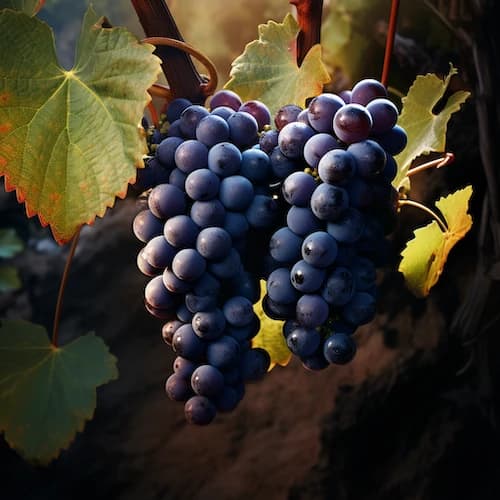
Primitivo and Zinfandel are two names for the same fascinating grape variety that achieved world fame on two continents. While it produces deep, spicy red wines in Apulia as Primitivo, it celebrates triumphant success in California as Zinfandel with opulent, fruit-driven wines. What unites both: an incredible intensity, powerful fruit, and an alcohol content that astonishes even experienced wine lovers.
This variety is not for the faint-hearted — it presents itself with deep violet colour, concentrated aromas, and a mouthfeel that immediately tells you: there is serious character here.
Flavour Profile & Character
Primitivo and Zinfandel are defined by their impressive fruit intensity. In the glass, dark, concentrated berry fruit presents itself — above all black cherries and blackberries dominate. Dried figs join in, lending the wine a sweet, almost jam-like depth. A characteristic pepper aroma provides spice and complexity.
The body is exceptionally full-bodied and powerful. The tannins are present and robust without being aggressive. The moderate acidity provides balance without overpowering the opulent fruit. The high alcohol content is perceptible but should be well integrated in a well-made wine, conveying warmth rather than a burning sensation.
Depending on climate and vinification the variety shows different characteristics: in the cooler sites of Apulia, somewhat more elegant, spicier wines emerge with more structure. In the Californian heat, Zinfandel develops even more fruit concentration, often with an almost jam-like sweetness and notes of chocolate and vanilla from barrique ageing.
With increasing age the wines move from primary fruit explosion towards more complex aromas of tobacco, leather, and dried fruits. The best Primitivos and Zinfandels can certainly age for 10–15 years, though most wines are most approachable in youth.
Origin & History
The genetic homeland of this variety lies in Croatia, where it is known as Crljenak Kaštelanski. From there it probably reached southern Italy via the Adriatic trade route, where it has been cultivated in Apulia since at least the 18th century. The name "Primitivo" refers to the early ripening of the grapes — a decisive advantage in the hot south.
The variety came to America in the mid-19th century, probably via Austrian immigrants. In California it found ideal conditions and was initially cultivated by Italian producers as "Zinfandel" — a name whose origins remain mysterious to this day. During Prohibition Zinfandel survived because the thick-skinned berries were well-suited for home wine transport.
It was not until 1967 that the genetic identity of Primitivo and Zinfandel was scientifically confirmed, and in 2001 the Croatian origin was established. Today the variety is cultivated mainly in Apulia (especially Manduria and Gioia del Colle) and in California (Sonoma, Napa Valley, Lodi), with smaller plantings in other parts of Italy and the USA.
Cultivation & Terroir
Primitivo and Zinfandel love warmth and sunshine. The variety needs a hot, Mediterranean climate to develop its impressive fruit concentration and high sugar content. In too cool regions the grapes fail to ripen fully, resulting in green, unripe aromas.
Soils can vary, but the variety proves adaptable. In Apulia it thrives on the calcareous, reddish Terra Rossa soils, which retain warmth and provide mineral notes. In California Zinfandel is found on widely different soils — from the alluvial deposits in Lodi to the stony, well-drained slopes of Sonoma.
One challenge in cultivation is the uneven ripening within a cluster. This requires careful hand-picking and often several passes through the vineyard to find the optimal moment. Harvesting too early means unripe berries; harvesting too late leads to raisined berries and extreme alcohol.
Important growing regions are in Italy the DOC Primitivo di Manduria in Apulia, where the most powerful and concentrated versions originate. In the USA California dominates, particularly the regions Dry Creek Valley, Russian River Valley, Paso Robles, and Lodi, which together cultivate over 40,000 hectares of Zinfandel.
Wine Styles & Variants
The variety is produced in various styles. The classic red wine is powerful, fruit-driven, and often aged in barrique. Italian Primitivo tends towards somewhat more structure and spice, while Californian Zinfandel is often fruitier and more opulent.
A special category is the "Doppio Passo" wines (double pass), in which a portion of the grapes is first partially dried before being added to the regular must. This intensifies sweetness, alcohol, and fruit concentration even further. These wines are extremely polarising — some wine lovers find them too opulent and sweet, while others appreciate precisely this power and intensity. Our founder Robert falls firmly into the first camp and cheerfully describes Doppio Passo as "liquid raisins with an alcohol turbocharger" — but there's no accounting for taste!
In Apulia, fortified versions are also produced (Primitivo Dolce Naturale or Liquoroso), where the fermentation process is stopped by the addition of alcohol, resulting in sweet, Port-like wines with 17–20% alcohol. These traditional styles are currently experiencing a renaissance.
A special Californian style is "White Zinfandel" — an off-dry to sweet rosé wine that came about through a "happy accident" in the 1970s and became commercially extremely successful, even if it is often viewed with amusement by wine enthusiasts.
Primitivo and Zinfandel are usually produced as single varieties, but can also shine in blends. Typical blending partners are in Italy Negroamaro or Malvasia Nera, in California Petite Sirah, Syrah, or Carignan. These combinations can contribute structure, complexity, or additional tannins.
Typical Aromas
Primary Aromas (from the grape)
The primary aromas are extremely intense and fruity. Black cherries often dominate the flavour profile — juicy, ripe, and concentrated, sometimes almost compote-like. Blackberries add a darker, wilder fruit component. Dried figs are especially characteristic and lend a sweet, Mediterranean note.
Depending on climate, plums, blackcurrants, or raisins can also appear. In cooler sites notes of red cherries or strawberries occasionally show, while hot climates intensify the dark berry aromas.
Spice is a hallmark: black pepper and other spices such as clove, cinnamon, or anise lend complexity. These spicy notes are especially pronounced in Italian Primitivo.
Secondary Aromas (from winemaking)
Barrique ageing, common in many high-quality Primitivos and Zinfandels, adds vanilla and chocolate — particularly dark, bitter chocolate when toasted barrels are used. Coffee and espresso notes can develop with intensive oak use.
Malolactic fermentation develops buttery, creamy textures. Some producers also seek sweet tobacco or caramel notes through specific ageing techniques.
Tertiary Aromas (from ageing)
With age, leather, tobacco, and dried herbs develop. The fresh fruit gives way to more complex, spicier notes. Dried plums and fig paste replace the primary fruit aromas.
Primitivo and Zinfandel are fundamentally age-worthy, with the best examples from great vintages capable of ageing for 10–15 years. Most wines, however, are designed for early enjoyment and should be drunk within 5–7 years. Wines with very high alcohol (over 15.5%) often do not age well and become unbalanced over time.
Food Pairing
Perfect Combinations
Grilled or Braised Beef is the classic pairing for Primitivo and Zinfandel. A perfectly grilled ribeye steak, a beef pot roast, or Texan BBQ brisket harmonise wonderfully — the powerful tannins and high alcohol content can hold their own against the fat and roasted aromas, while the fruit complements spicy dry rubs.
Pizza and Italian Pasta with robust tomato sauces work excellently. In particular a pizza with spicy salami or a meat lasagne benefit from the fruit intensity and spice of the wine. The acidity of the wine harmonises with the tomato acidity, and the tannins cut through cheese and fat.
Spicy Dishes such as BBQ ribs with sweet-hot sauce, Indian tandoori, or Mexican enchiladas are ideal partners. The higher alcohol content softens the heat, while the fruit balances the spices. Exercise caution with extreme chilli heat — here the alcohol can amplify the burn.
Aged Hard Cheese such as Aged Cheddar, Manchego, or Parmigiano Reggiano are also excellent companions. The salty, umami-rich aromas of the cheese complement the fruit and spice of the wine perfectly, especially with lightly aged Primitivo or Zinfandel.