


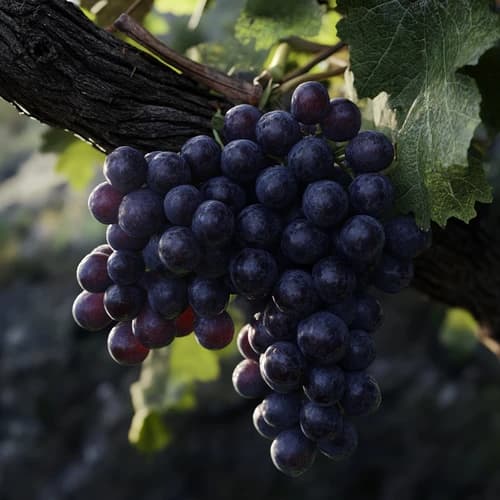


Negroamaro – Puglia's Powerful Pride
Negroamaro is the soul of Puglia in a bottle: dark, powerful, and infused with Mediterranean warmth. This autochthonous grape variety from the sun-drenched south of Italy produces wines with intense fruit, spicy complexity, and velvety tannins. The name already reveals much – "negro" stands for black, "amaro" for bitter – yet modern Negroamaro wines surprise with round fullness rather than harsh austerity.
At a Glance
- Origin: Puglia (southern Italy), especially the Salento peninsula
- Flavor: Dark cherries, plums, licorice, and Mediterranean herbs
- Body: Full-bodied and powerful with a velvety texture
- Tannins: Robust but ripe, especially with good vinification
- Ideal serving temperature: 16-18°C
- Aging potential: Simple wines 2-4 years, high-quality selections 8-15 years
Flavor Profile & Characteristics
Negroamaro presents itself as a characterful red wine with a fascinating aromatic palette. In the glass, you encounter a deep, almost impenetrable ruby-red to violet color. The nose is dominated by ripe black cherries and juicy dark plums, accompanied by a hint of licorice and dried Mediterranean herbs.
On the palate, the grape variety shows its best side: full-bodied yet never ponderous. The fruit intensity is carried by spicy notes – black pepper, some tobacco, and earthy nuances provide complexity. The tannins are present and lend the wine structure, yet they are beautifully integrated by the fruit abundance. The moderate acidity makes the wine approachable and easy to drink.
Depending on the winemaking and terroir, the profile can differ significantly: Negroamaro from coastal sites often shows a salty minerality and fresher fruit, while wines from the hinterland tend to be more concentrated, spicier, and earthier. Modern vinification with controlled fermentation and selective barrique aging produces more elegant versions with silky tannins and subtler oak notes.
With increasing age, Negroamaro develops additional complexity: the fresh fruit gives way to notes of prunes, leather, and balsamic nuances. The tannins become smoother, the structure more harmonious. High-quality wines can easily age a decade or longer, becoming ever more multifaceted.
Origin & History
Negroamaro is deeply rooted in Puglian wine culture. The grape variety most likely originates from the Salento peninsula in the extreme southeast of Italy – the heel of the Italian boot, situated between the Adriatic and Ionian Seas. The origin is lost in the mists of history, yet ampelographers suspect a millennia-old presence in this region.
The etymology of the name is the subject of lively debate: while "negro" clearly refers to the dark color of the grapes, "amaro" might not only mean "bitter" but could possibly derive from the Greek "mavro" (black) – which would make the name "black-black." A third theory traces the origin to the city name Monemvasia, suggesting Greek trading roots.
Historically, Negroamaro was often cultivated as a high-yielding variety used for strong, high-alcohol blending wines that added body to the thinner wines of northern Europe. Only since the 1990s have innovative winemakers discovered the true quality potential of the variety and begun to vinify single-varietal wines with terroir character.
Today, Negroamaro is one of the most important red wine varieties in southern Italy, with over 25,000 hectares of vineyard area. The main growing regions remain in Puglia, especially in the DOC zones Salice Salentino, Copertino, Squinzano, and Brindisi. Smaller plantings are also found in Campania and Sicily.
Cultivation & Terroir
Negroamaro is perfectly adapted to the Mediterranean climate of southern Italy. The grape variety loves warmth and sunshine – in Puglia, it gets plenty of both. With over 2,500 hours of sunshine per year and mild winters, the region offers ideal conditions. The cooling breezes from the sea regulate temperatures during ripening and prevent heat stress, benefiting quality.
The soils of the Salento peninsula are predominantly calcareous with red Terra Rossa – iron-rich clay soils on a limestone base. These permeable soils force the vines to develop deep roots, leading to concentrated grapes with pronounced aromatics. Near the coast, sandy soils are also found, producing fresher, more mineral wines.
Negroamaro is a late-ripening variety, not harvested until late September or early October. The grapes develop high sugar levels, leading to the characteristic alcohol levels of 13.5 to 14.5 percent. The thick berry skin is rich in color pigments and tannins – but when harvested too late, the variety can also become excessively harsh, making the right picking time crucial.
The most important wine regions for Negroamaro are:
- Salice Salentino DOC: The best-known appellation, producing both single-varietal wines and blends with Malvasia Nera. The wines are powerful and long-lived.
- Copertino DOC: More elegant versions with fine spice and good structure emerge here.
- Squinzano DOC: A traditional zone with earthy, tannic wines.
- Salento IGT: This more flexible designation allows more experimental winemakers to create modern interpretations with international appeal.
Wine Styles & Variants
Negroamaro shows various facets depending on how the winemaker works with the grape variety:
Classic style: Traditionally aged Negroamaro wines mature in large wooden barrels or cement vats. They present with robust structure, earthy notes, and rustic charm. These wines often need some air or decanting to show their qualities.
Modern style: Many contemporary producers rely on controlled fermentation temperatures, field selection, and selective barrique aging. The result is wines with more polished tannins, more concentrated fruit, and subtle vanilla or toasted notes. This version is more internationally successful and approachable.
Rosato: Negroamaro is excellently suited for rosé wines (called "Rosato" in Italy). Salento Rosato is richly pink-colored, showing intense strawberry fruit with spicy complexity and enough body to pair with heartier dishes. An ideal summer wine with substance.
Blend partner: Negroamaro is frequently blended with Malvasia Nera, which adds floral notes and additional complexity to the wine. Blends with Primitivo or international varieties like Cabernet Sauvignon also occur, with Negroamaro usually forming the base and contributing structure.
Typical Aromas
Primary Aromas (from the grape)
Black cherry: The leitmotif of Negroamaro – ripe, juicy black cherries with a slightly tart note, sometimes reminiscent of Amarena cherries. In cooler sites, also brighter, recalling sour cherries.
Dark plum: Fully ripe black plums, sometimes with a hint of prune, especially from grapes of hot vintages or concentrated vineyard sites.
Licorice: A characteristic spice that oscillates between sweet licorice and anise. This note is especially pronounced in wines from more calcareous soils.
Dried herbs: Mediterranean macchia vegetation shows itself in the glass – thyme, oregano, sometimes a hint of dried rosemary. These notes are shaped by the sunny climate and the aromatic surroundings of the vineyards.
Black pepper: A peppery spiciness that lends the wine vivacity. More pronounced in cooler years, somewhat more restrained in very hot years.
Earthy notes: A hint of damp earth, sometimes mushrooms or forest floor – especially noticeable in wines from Terra Rossa soils.
Secondary Aromas (from winemaking)
Vanilla & toast: When aged in new barriques, subtle vanilla notes and toasted aromas develop. Modern winemakers use these sparingly to avoid masking the fruit.
Chocolate & cocoa: Through malolactic fermentation and contact with wood, gently bitter chocolate notes emerge that beautifully complement the licorice spice.
Clove & cinnamon: Holiday-season spice notes can develop through aging, especially with longer barrel maturation.
Tertiary Aromas (from aging)
Tobacco & leather: With increasing bottle aging, high-quality Negroamaro wines develop noble tertiary aromas of dry tobacco and fine leather – signs of successful aging.
Balsamic notes: Older wines sometimes show nuances reminiscent of balsamic vinegar or preserved fruits, adding additional complexity.
Dried figs: The fruit becomes more concentrated over the years and recalls dried Mediterranean fruits.
Aging Potential
Negroamaro is quite age-worthy, though not at the level of Barolo or Brunello. Simple wines are meant for near-term consumption within 2-4 years. High-quality selections with dense structure can easily age 8-12 years, top wines even 15 years and longer. Aging potential depends strongly on vintage, vinification, and storage – aim for cool, dark conditions.
Food Pairing
Perfect Combinations
Orecchiette with braciole: Traditional Puglian cuisine is made for Negroamaro. Orecchiette pasta with small beef roulades in tomato sugo harmonizes perfectly with the wine's fruit and tannins. The wine's spice complements the herbs in the sugo, while the acidity plays off the tomato.
Roast lamb with Mediterranean herbs: A classic for good reason. The robust tannins and structure of Negroamaro are ideal for tender lamb. Rosemary, thyme, and garlic in the crust find direct counterparts in the wine's aroma profile.
Grilled vegetables with burrata: For a vegetarian option, try a modern, elegant Negroamaro with grilled eggplant, peppers, and zucchini topped with creamy burrata. The smoky roasted aromas of the vegetables match the earthy side of the wine, while the burrata softens the tannins.
Aged cheese – Pecorino Sardo or aged Provolone: The saltiness and umami notes of aged sheep's cheese are a wonderful complement to a well-aged Negroamaro. The fat in the cheese makes the tannins supple, while the complexity of both products elevates each other.
Bresaola with arugula and Parmesan: As a lighter option, air-dried beef works wonderfully, especially with a fresher, younger Negroamaro. The peppery note of arugula finds an echo in the wine, and the Parmesan binds the tannins.
Negroamaro is an uncomplicated food companion that pairs especially well with hearty, spicy dishes of Mediterranean cuisine. Its moderate acidity also makes it compatible with tomato-based dishes – a not insignificant advantage with Italian cuisine!