




Introduction
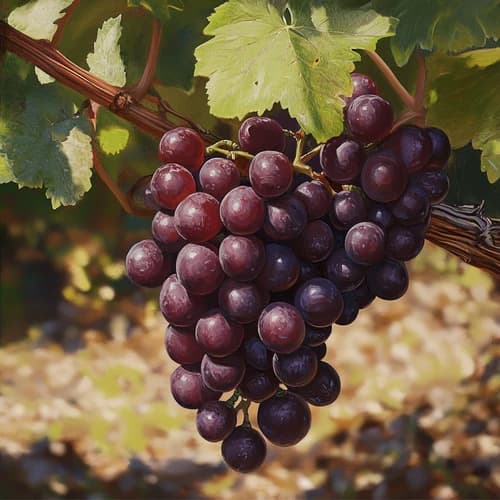
Monastrell is the Spanish soul of the Mediterranean in a bottle – a powerful, intense grape variety that ripens to impressive greatness under the hot sun of southeastern Spain. Known worldwide as Mourvedre or Mataro, this characterful grape has experienced a remarkable renaissance in recent years. What makes Monastrell so special is its unique ability to produce wines of great depth, structure, and elegance despite extreme heat and drought – full-bodied, spicy, and with an unmistakable Mediterranean character.
Flavor Profile & Characteristics
Monastrell presents itself as one of the most powerful and concentrated red wine varieties in existence. In the glass, it shows an impenetrable, almost black purple that already hints at the intensity to come. The first impression on the palate is marked by impressive richness – Monastrell is not for fans of light, delicate wines. Instead, you experience a true explosion of flavor from ripe dark berries, especially blackberry and black plum, threaded through with a distinctive spicy character.
The tannin structure is the backbone of this grape: robust, grippy, sometimes even a bit wild in youth, but always with the potential to develop into something magnificent. Unlike many other powerful red varieties, Monastrell remains remarkably fresh – the acidity is moderate but sufficient to balance the concentration and give the wine drinkability.
In cooler sites or higher elevations, such as Jumilla or Yecla, Monastrell additionally develops a more elegant, floral character and shows more finesse. In hotter, drier terroirs, riper, almost jammy fruit aromas dominate, combined with hints of dried herbs, rosemary, and lavender – a truly Mediterranean flavor experience. Aging in barrique adds vanilla and chocolate notes without masking the original fruit.
With increasing age, Monastrell develops remarkable complexity. The initially dominant dark fruits give way to earthy, meaty, and spicy notes, often with hints of suede, dried mushrooms, and black pepper. Well-made Monastrell wines from top sites can easily age a decade or longer, gaining elegance and depth.
Origin & History
The origins of Monastrell lie in the Mediterranean region, though the exact provenance is still debated. The most widely accepted theory places its cradle in the Spanish Levante, the region around Valencia and Alicante. The name itself may derive from Murviedro (now Sagunto), an ancient Roman city north of Valencia. From there, the grape spread along the entire Spanish Mediterranean coast.
In France, where it became known as Mourvedre, the grape found its second home in Provence. Particularly in Bandol, where it must comprise at least 50% of the blend, Mourvedre achieved legendary status. The Phoenicians or Greeks may have brought it to southern France in antiquity, underscoring the long history of this grape in the Mediterranean.
In the 19th century, Monastrell arrived in Australia as Mataro, where it found a loyal following especially in the Barossa Valley and McLaren Vale. It was also introduced to California by Spanish missionaries. After the devastating phylloxera crisis of the late 19th century and the 20th-century trends favoring international varieties, Monastrell was nearly forgotten.
Today, this characterful grape is experiencing a genuine renaissance. Winemakers worldwide have rediscovered its enormous potential. Especially in Spain, where it ranks among the most important grape varieties with over 40,000 hectares, increasingly high-quality Monastrell wines are being produced that can compete with the world's best red wines.
Cultivation & Terroir
Monastrell is a true sun-worshipper and places high demands on its terroir. It needs plenty of warmth to fully ripen, making it the ideal grape for the hot, dry regions of the Mediterranean. At the same time, it is remarkably resistant to drought – its deep-reaching roots allow it to survive even in arid climates without irrigation.
The best Monastrell wines come from barren, calcareous soils at elevations between 400 and 800 meters. Here, the vines find the necessary daytime heat for ripening, while cool nights ensure freshness and elegance. In Jumilla, the heartland of Monastrell in Spain, exactly these conditions define the character: continental climate with extreme temperature fluctuations, very low rainfall, and barren limestone soils.
In the French Provence, especially in Bandol, Mourvedre grows on terraced limestone slopes close to the sea. The maritime climate with its cooling sea breezes gives the wines a special freshness and salinity. Proximity to the sea also brings higher humidity, protecting the grape from excessive drought.
Monastrell is a late-ripening variety that must stay on the vine for a long time – often not harvested until late September or even early October. This long ripening period carries risks: autumn rains or early frosts can endanger the harvest. That's why the grape is ideal for regions with stable, warm autumn months.
The most important growing regions worldwide are:
- Spain: Jumilla, Yecla, Valencia, Alicante, Bullas (together over 90% of the global vineyard area)
- France: Bandol, Chateauneuf-du-Pape, Cotes du Rhone
- Australia: Barossa Valley, McLaren Vale
- USA: Paso Robles, California
Wine Styles & Variants
Monastrell shows surprisingly different faces depending on region and winemaking. The range extends from fresh, fruit-forward young wines to complex, age-worthy wines of great depth.
Young, fruit-forward style: In this style, often vinified with carbonic maceration, Monastrell presents itself as surprisingly approachable and fruity. The tannins are softer, and dark berry aromas take center stage. These wines are ready to drink after 1-2 years and perfect for uncomplicated enjoyment. This style is particularly found in Valencia and Yecla.
Classic Monastrell: The typical style from Jumilla and Yecla shows the grape in its concentrated, powerful form. Aging in barrique (usually American oak) for 12-18 months adds additional complexity. These wines are full-bodied, tannic, and need some years of bottle age to reach their full potential. They can easily cellar for 10-15 years.
Mourvedre from Bandol: The most elegant expression of the grape. Long maceration and aging in large wooden barrels or foudres shape a wine of remarkable structure and longevity. Bandol wines must age at least 18 months in barrel and can cellar for decades. They show less opulent fruit but more spice, minerality, and terroir-driven complexity.
Blend partner: Monastrell is also an outstanding blending partner. In the Rhone, Mourvedre perfectly complements Grenache and Syrah in the classic GSM blend, contributing structure, tannin, and longevity. In Spain, Monastrell is often blended with Tempranillo, Garnacha, or international varieties like Cabernet Sauvignon.
Old vines: Particularly sought after are wines from old, own-rooted Monastrell vines (Vieilles Vignes), of which considerable stocks still exist in Jumilla and Yecla. These 40-100-year-old vines produce tiny yields but wines of extraordinary concentration and complexity.
Typical Aromas
Primary Aromas (from the grape)
Blackberry: The most dominant aroma, dark, ripe, almost inky in hot years. In cooler sites, the blackberry appears fresher, with a slight herbal note.
Black plum: Ripe, fleshy plum aromas are typical, especially in wines from hotter terroirs. In very hot years, the aroma can veer into dried plum territory.
Black pepper: A hallmark of Monastrell – this spicy, peppery note runs through nearly every wine and gives it its characteristic Mediterranean kick.
Dried herbs: Rosemary, thyme, lavender – the garrigue-typical herbs of the Mediterranean scrubland are reflected in the wine and underscore the origin.
Violet: In cooler sites or wines from higher elevations, a delicate violet note comes to the fore, lending the powerful wine a surprising elegance.
Black olive: A characteristic aroma especially in Mourvedre from Provence – slightly savory, complex, and Mediterranean.
Secondary Aromas (from winemaking)
Vanilla and coconut: Barrique aging, especially in American oak, brings sweet vanilla and coconut notes that blend harmoniously with the dark fruit.
Chocolate: Extended wood aging and malolactic fermentation can develop creamy chocolate aromas that add depth to the wine.
Tobacco: Through contact with wood and oxidation, spicy tobacco notes develop that pair particularly well with the peppery primary aromas.
Tertiary Aromas (from aging)
Leather: With increasing bottle age, Monastrell develops characteristic leather notes – soft, supple, complex. This is one of the hallmarks of mature Monastrell.
Undergrowth and mushrooms: After 5-10 years of aging, earthy notes of damp forest floor and dried mushrooms appear, adding an additional dimension to the wine.
Graphite and minerality: Especially in wines from Bandol or from old vines on limestone soils, a mineral component develops over time.
Monastrell is among the most age-worthy grape varieties of all. High-quality wines from top sites, especially those from old vines or from Bandol, can age 15-20 years and longer. The robust tannin structure and moderate acidity form the perfect framework for long bottle aging. While dark fruit dominates in the first 3-5 years, increasing complexity with spicy, earthy, and animalistic notes develops thereafter. Standard Monastrell from warmer regions reaches its optimal drinking window after 3-7 years.
Food Pairing
Perfect Combinations
Braised lamb with herbs of Provence: The classic combination par excellence. The spicy herbal notes in the wine harmonize perfectly with rosemary, thyme, and lavender in the dish. The robust tannins of Monastrell cut through the fat of the lamb and cleanse the palate. A braised rack of lamb with Mediterranean vegetables and Monastrell from Jumilla or Bandol is a taste experience like no other.
Braised beef brisket or BBQ brisket: The intense, concentrated fruit and robust tannins of Monastrell can keep up with the deep, smoky flavor of slowly braised or grilled beef. American BBQ-style with sweet-spicy sauce particularly benefits from a full-bodied Monastrell from warm sites. The vanilla notes from barrique aging complement the caramelized aromas of the crust.
Spanish chorizo and morcilla (blood sausage): For the spicy, paprika-laden Spanish cured meats, a powerful Monastrell from Yecla or Jumilla is the ideal accompaniment. The pepper and herb notes in the wine mirror the spices in the sausage, while the tannins handle the fat. Also perfect with a hearty stew featuring these ingredients.
Richly spiced game: Wild boar ragout, venison loin with juniper sauce, or braised deer roast find an equal partner in Monastrell. The earthy, animalistic notes of mature Monastrell harmonize wonderfully with the characteristic game flavor. The spicy components in the wine – black pepper, herbs – perfectly complement the seasoning. A mature Monastrell from old vines with 5-10 years of bottle age pairs especially well.
General Pairing Tips
Monastrell calls for robust, spicy dishes with enough fat to bind the tannins. Light fish dishes or delicate chicken breast are not a good choice – the power of the wine would overwhelm the food. Instead: dark meat, game, hearty stews, aged cheese (especially Manchego or Pecorino), Mediterranean braised dishes. Don't be shy with seasonings – rosemary, thyme, black pepper, and garlic are perfect companions.