




Introduction
Grauburgunder, known internationally as Pinot Gris, is the chameleon among white wines – a variety that can show completely different faces depending on its origin and how it was aged. From the light, fresh German style to the opulent, golden powerhouse from Alsace, this grey-blue grape unites versatility with a characterful personality. What makes Grauburgunder particularly special is its ability to produce full-bodied, texture-rich wines with moderate acidity that make an excellent impression both on their own and with food.
Flavour Profile & Characteristics
Grauburgunder presents itself on the palate with a remarkable fullness that sets it apart from many other white wines. The texture is often creamy and oily, with a full body reminiscent of Chardonnay. On the palate, ripe pear aromas dominate, followed by white peach and sometimes a hint of honey. The acidity is restrained, lending the wine its soft, rounded character – perfect for those who prefer less high-acid white wines.
Depending on origin and ageing, Grauburgunder shows different facets: German Grauburgunder from cooler regions tends toward elegant freshness with crisp apple and pear notes. Alsatian Pinot Gris, by contrast, are true powerhouses – deep golden in colour, with intense aromas of ripe stone fruit, almonds and discreet spice notes. Italian Pinot Grigio is usually the lightest interpretation, with delicate citrus fruit and mineral accents.
With increasing age, Grauburgunder develops more complex aromas of honey, toasted nuts and sometimes even smoky notes, especially if aged in barrique. The finest examples can certainly age for 5 to 10 years, gaining depth and complexity in the process.
Origin & History
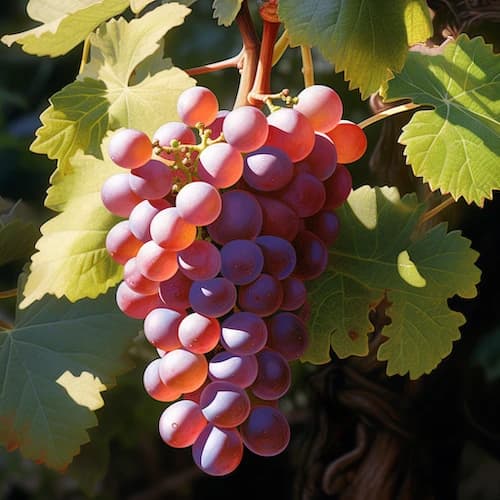
Grauburgunder is a natural mutation of Pinot Noir and belongs to the famous Burgundy family. Its genetic origin lies in Burgundy, France, where the variety probably arose during the Middle Ages. The grey-blue colouration of the berries is a spontaneous mutation that makes this grape something special – it sits colouristically between white and red wine varieties.
From Burgundy the variety spread across Europe. In Alsace it was already documented in the 17th century and developed there into a speciality. Grauburgunder probably came to Germany via commercial ties with Alsace. The name "Ruländer" – formerly used in Germany for sweet-style versions – refers to the merchant Johann Ruland, who discovered wild vines in a garden in Speyer in 1711.
Today Grauburgunder is grown worldwide, with concentrations in Germany (especially Baden, Pfalz and Rheinhessen), France (Alsace and Loire), Italy (Friuli, Trentino, Veneto), the USA (Oregon) and New Zealand.
Viticulture & Terroir
Grauburgunder thrives best in temperate climates that allow it a long ripening period without the grapes losing their acidity. The variety prefers calcareous and clay soils but also does well on volcanic soils. It is particularly successful in hillside sites with good sun exposure, where it can develop its full aromatic potential.
The grape ripens early and tends toward high must weights, which explains why Grauburgunder wines often have a higher alcohol content. The grey-blue berry skin makes the variety susceptible to Botrytis, which in some regions is used to produce nobly sweet wines, such as Ruländer Auslesen or Alsatian Vendanges Tardives.
Important Wine Regions:
In Germany, Baden dominates as the largest growing area for Grauburgunder in the world. Wines from the Kaiserstuhl are particularly powerful and mineral. The Pfalz produces elegantly fruity variants, while Rheinhessen is known for accessible, modern styles.
Alsace in France is the home of the most opulent Pinot Gris, which are often aged in barrique and show impressive ageing ability. The finest sites such as Rangen or Altenberg de Bergheim produce world-class wines.
In Italy, Pinot Grigio is grown mainly in northern Italy. Friuli and Alto Adige produce high-quality, characterful wines, while Veneto is known for lighter, mass-produced versions.
Wine Styles & Variants
The versatility of Grauburgunder is reflected in its different ageing approaches. Classic German Grauburgunder is aged in stainless steel, which preserves freshness and fruit. The result is an elegant, medium-bodied wine with clear fruit and fine minerality.
The barrique variant is particularly widespread in Alsace and among premium producers in Germany. Ageing in oak barrels lends the wine additional complexity, creamy texture and discreet roasted notes of vanilla and toast. These wines are powerful, age-worthy and perfect with opulent dishes.
Pinot Grigio from Italy is usually the lightest interpretation – lean, fresh and uncomplicated, ideal as a summer wine and aperitif. The finest examples from Friuli, however, show considerably more substance and character.
A speciality is Ruländer – traditionally the designation for nobly sweet versions of Grauburgunder in Germany. These wines from late-harvested or botrytised grapes show intense honey and dried-fruit notes and can age for decades.
As a cuvée partner, Grauburgunder is excellent: in Alsace it is often blended with Riesling, Gewürztraminer and Muscat into "Gentil." In Germany it is found in modern cuvées with Weißburgunder and Chardonnay.
Typical Aromas
Primary Aromas (from the grape)
Pear is the leading aroma of Grauburgunder – from fresh Williams pear to ripe Conference pear. In cooler climates crisp, green pear dominates, while warmer regions produce riper, sweeter pear notes.
White peach appears especially with fully ripe grapes and gives the wine its velvety fruit character. This aroma is typical of Alsatian Pinot Gris and German premium Grauburgunder from warm vintages.
Green apple provides the fresh component, especially in younger wines and those from cooler sites. In Italian Pinot Grigio this cool fruit is often dominant.
Almond and almond skin are characteristic notes, often perceptible as a lightly bitter finish – a hallmark of good Grauburgunder.
Ginger and other discreet spice notes add complexity, especially in wines from Alsace or from volcanic soils. This piquant quality sets Grauburgunder apart from simpler white wines.
Honey develops with increasing grape ripeness and is especially pronounced in late-harvest and nobly sweet variants.
Secondary Aromas (from winemaking)
Butter and brioche arise from malolactic fermentation and lees ageing (sur lie), especially in Burgundian and Alsatian styles. These aromas lend the wine creaminess and fullness.
Toasted almonds and hazelnuts develop with longer lees ageing and light oxidation, giving the wine additional complexity.
Vanilla and toast come from barrique ageing and are present in Alsatian reserve wines and German barrique Grauburgunders.
Tertiary Aromas (from ageing)
Honey and beeswax intensify with bottle ageing, lending mature Grauburgunders a warm, complex note.
Toasted nuts and marzipan develop after 5–10 years of bottle ageing in high-quality wines, especially Alsatian Grand Cru.
Smoke and petrol can develop in very old wines or those from mineral soils, demonstrating the ageing potential of the variety.
Grauburgunder can certainly be age-worthy: simple Pinot Grigio should be drunk young, German estate wines last 2–4 years, village wines and premier crus 5–8 years, and the finest Alsatian Grand Cru or German Große Gewächse can age for 10–15 years and beyond.
Food Pairing
Perfect Combinations
Pan-fried monkfish with porcini mushrooms is the dream combination for a full-bodied, barrique-aged Grauburgunder. The texture and richness of the wine harmonises perfectly with the firm fish flesh, while the earthy mushroom notes pick up the roasted aromas from the oak. The moderate acidity of the wine cuts through the butteriness of the sauce without dominating.
Roast pork with cream sauce benefits from the creamy texture and full body of Grauburgunder. The pear and apple aromas in the wine complement traditional accompaniments such as apple red cabbage or plums, while the wine's fullness is a match for the rich sauce. An Alsatian Pinot Gris is the first choice here.
Sushi and sashimi pair excellently with a lean, mineral Pinot Grigio from Friuli or a fresh German Grauburgunder. The discreet fruit and moderate acidity of the wine complement the delicate fish without overpowering it, while the slight creaminess of the wine underscores the texture of the raw fish.
Autumnal pumpkin risotto with sage finds the ideal companion in Grauburgunder. The light spice notes and nutty aromas of the wine harmonise perfectly with the sweetness of the pumpkin and the earthy spice of the sage. The texture of a good Grauburgunder is a match for the creaminess of the risotto and creates a harmonious mouthfeel.