




Introduction
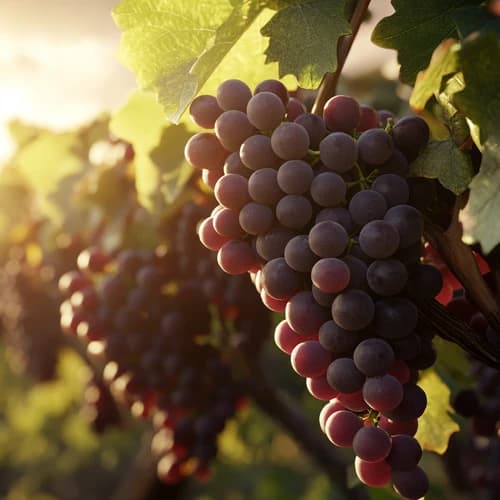
Bobal is one of Spain's most underestimated grape varieties and at the same time one of the country's most widely planted red varieties. The grape originates from the Valencia region and shows its full potential there when dedicated producers give it the attention it deserves. What makes Bobal so special is its versatility: it yields both fresh, fruit-forward wines for everyday enjoyment and complex, age-worthy bottles with impressive depth.
Flavour Profile & Characteristics
Bobal surprises with a lively, fruit-driven profile dominated by juicy red cherry and dark berries. The wines display pronounced freshness thanks to their distinctive acidity structure, which lends them structure and flow. Unlike many other Mediterranean red varieties, Bobal never feels heavy or alcoholic, maintaining an elegant lightness even in hot vintages.
The tannins are present but fine-grained and well integrated. Owing to the thick berry skin, Bobal naturally brings firm tannins, yet with careful vinification these can be crafted to be sumptuously smooth. Young Bobal wines display a fresh, almost crisp fruitiness with notes of plum and Mediterranean herbs. Versions aged in barrique develop additional spice and complexity without losing their characteristic freshness.
With increasing age, high-quality Bobal wines develop fascinating secondary aromas of dried herbs, black pepper and earthy nuances. The acidity helps the wines preserve their freshness over years without becoming flabby or overloaded. This makes Bobal an exciting alternative to international varieties such as Syrah or Grenache.
Origin & History
Bobal has deep roots in eastern Spain and has been cultivated in the Valencia and Utiel-Requena regions for centuries. The name is likely derived from the Spanish word "bovale," referring to the grape-shaped, compact form of the berries. Historically the variety was used mainly for the production of bulk wines and to add colour in blends, since its thick skin provides intense pigments.
For a long time Bobal languished in obscurity, used primarily for simple, high-volume wines. Only in the last two decades have innovative producers recognised the true potential of this variety. Through drastic yield reduction, careful vineyard work and modern cellar technology, Bobal wines are now produced that command international recognition.
Today Bobal covers more than 60,000 hectares and is Spain's third most planted red variety, after Tempranillo and Garnacha. About 95 per cent of the world's stock is found in Spain, with a clear focus on Valencia. Small parcels can also be found in southern France and experimental plantings in other wine-producing countries.
Viticulture & Terroir
Bobal is perfectly adapted to the continentally influenced climate of the Spanish plateaux. It thrives best at elevations between 600 and 900 metres, where cool nights preserve acidity while warm days allow full ripeness. These temperature swings are essential for the development of its characteristic aroma profile.
The variety prefers sparse, calcareous soils with good drainage. In the best sites of Utiel-Requena, Bobal grows on limestone-rich loam and sandy soils that promote stress and force the vines to develop deep root systems. These old, ungrafted bush vines produce particularly concentrated grapes with intense aromatics.
Bobal is a late-ripening variety, typically harvested from late September to early October. It is relatively resistant to drought and copes well with Valencia's hot, low-rainfall summers. However, it is susceptible to downy mildew in damp conditions, making good canopy management and ventilation of the grape zone essential.
The most important growing areas are concentrated in D.O. Utiel-Requena and D.O. Valencia. In Utiel-Requena there are numerous old bush vines, some over 50 years old, that yield wines of particular concentration and complexity. The higher altitude and continental climate of this region produces especially structured, age-worthy wines.
Wine Styles & Variants
Bobal proves remarkably versatile and is produced in a range of styles. The classic style is the young wine without oak, which foregrounds the variety's lively fruit and freshness. These wines are wonderfully uncomplicated, displaying intense red berries and perfect for everyday enjoyment.
Ambitious producers are increasingly also making Crianza- and Reserva-level wines in barrique. Here Bobal is usually aged in French oak, which lends the wine additional spice, vanilla notes and structure without masking the characteristic fruit. These wines need time to develop but then show impressive complexity with aromas of black pepper, dried herbs and dark chocolate.
Another exciting variant is Rosado from Bobal. The grape's intense colour makes it ideal for powerful, aromatic rosé wines that score with their fruit intensity and structure. These rosés are far removed from bland summer wines and offer genuine character.
In blends, Bobal is frequently combined with Tempranillo or Garnacha. It contributes acidity, freshness and intense colour while the partner varieties add body and warmth. The combination with Tempranillo in particular works very well, producing balanced, complex wines.
Typical Aromas
Primary Aromas (from the grape)
The dominant primary aromas of Bobal are fresh red cherries and juicy plums. This fruitiness is lively and pure, reminiscent of a walk through a Mediterranean orchard in high summer. Blackberries join in, giving the wine depth and a slightly wild note.
Also characteristic of Bobal are its spicy herbal notes, particularly dried thyme and Mediterranean garrigue herbs. These aromas arise from the terroir and warm climate and give the wines a typically Spanish identity.
Black pepper is another hallmark of high-quality Bobal wines. This spicy component develops especially strongly in grapes from higher-elevation vineyards with large diurnal temperature variations.
Secondary Aromas (from winemaking)
When aged in barrique, Bobal develops subtle vanilla and toasty notes that blend harmoniously with the fruity primary aromas. The oak spice is usually restrained and elegant, never dominant.
Depending on the ageing method, notes of cocoa and dark chocolate can also emerge, especially when the wines have had prolonged contact with fine lees. This creamy component lends the wines additional texture and body.
Tertiary Aromas (from ageing)
With increasing bottle age, high-quality Bobal wines develop complex earthy notes and hints of leather. The fresh fruit slowly gives way to a spicier, more layered aroma profile, while the acidity continues to provide structure and freshness.
Age-worthy Bobal wines can comfortably age 8 to 12 years, during which time they develop fascinating tertiary aromas of tobacco, dried herbs and a delicate mineral note. The tannins round off and integrate fully, resulting in a silky texture.
Food Pairing
Perfect Combinations
Paella Valenciana is the classic pairing for Bobal – after all, both come from the same region. The wine's lively acidity cuts through the spiced, saffron-tinted aromas of the rice dish, while the red fruit harmonises perfectly with the sweet pepper notes. The wine's moderate structure does not compete with the hearty chicken and beans.
Grilled lamb with herbs de Provence is another dream combination. The Mediterranean herb aromas in the wine mirror the seasoning of the meat, and Bobal's tannins can handle the fat of the lamb without becoming dominant. This pairing works especially well with a barrique-aged Bobal.
Spanish charcuterie and Manchego make a wonderful starter or tapas board. The spicy notes of chorizo and the salty intensity of the cheese are perfectly balanced by Bobal's fruit and acidity. The peppery nuances of the wine underline the paprika spice of the sausage.
Braised tomatoes with aubergine and chickpeas show that Bobal can also accompany vegetarian dishes. The fruity and herbal components of the wine harmonise beautifully with the sweetness of the slow-cooked tomatoes, while the acidity enlivens the earthy aromas of the aubergine.