


Sauvignon Blanc – The Master of Freshness
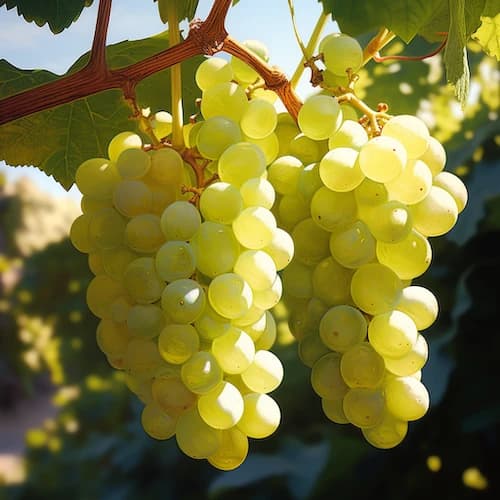
If you're looking for a wine that embodies pure freshness in the glass, Sauvignon Blanc is your grape variety. With its distinctive acidity and intense aromas of citrus fruits, gooseberries, and freshly cut grass, this white wine has taken the wine world by storm. Whether from the cool Loire Valley in France or the sun-drenched hills of New Zealand — Sauvignon Blanc offers a uniquely refreshing taste experience that stands in a category of its own.
Flavor Profile & Character
Sauvignon Blanc is the grape variety for those who enjoy liveliness and expressiveness in the glass. Acidity is the defining element — it is crisp, refreshing, and gives the wine its characteristic vibrancy. Green and yellow citrus fruits such as grapefruit and lime dominate the palate, accompanied by the typical gooseberry note that is especially prominent in wines fermented at cool temperatures.
What makes Sauvignon Blanc so exciting are its green, herbaceous notes. Freshly cut grass, nettle, or even green bell pepper — these aromas arise from special aroma compounds (methoxypyrazines) in the grape skin and are a hallmark of the variety. In cooler climates, these green notes are more prominent, while in warmer regions tropical fruits such as passion fruit, mango, and guava come to the fore.
Most Sauvignon Blancs are made for immediate enjoyment — young, fresh, and uncomplicated. They show their best side in the first two to three years after harvest. There are exceptions, however: high-quality wines from Bordeaux or the Loire, especially when aged in oak, can certainly age five to ten years and develop honey-like and nutty notes in the process.
Origin & History
The cradle of Sauvignon Blanc lies in southwest France, specifically in Bordeaux and the Loire Valley. The name likely derives from the French word "sauvage" (wild), referring to the originally wild spread of the vine. By the 18th century the variety was firmly established in these regions.
In Bordeaux, Sauvignon Blanc played an important role in the creation of nobly sweet white wines from Sauternes and Barsac, where it is blended with Sémillon. In the Loire Valley, the variety developed into the queen of dry white wines, particularly in the appellations of Sancerre and Pouilly-Fumé, which remain benchmarks for elegant, mineral Sauvignon Blancs to this day.
The international breakthrough came in the 1980s from New Zealand. The Marlborough region on the South Island produced Sauvignon Blancs with an intensity and fruitiness previously unknown. This "New World" style conquered the global market and made Sauvignon Blanc one of the most popular white wine varieties of all. Today the variety is grown on over 110,000 hectares worldwide.
Viticulture & Terroir
Sauvignon Blanc is a demanding but rewarding grape variety. It prefers moderate to cool climates in which it can preserve its characteristic acidity and freshness. In overly warm regions, the wine quickly loses structure and the aromas become flat and one-dimensional.
The vine buds early, making it susceptible to late frosts. At the same time it ripens relatively early, which is an advantage in cooler climates. Sauvignon Blanc places no special demands on soil but shows particular elegance on calcareous and gravelly substrates. The famous chalk soils of Sancerre lend the wines their unmistakable minerality and finesse.
Key wine regions:
In the Loire, on the silex and limestone soils of Sancerre and Pouilly-Fumé, taut, mineral wines are produced with restrained fruit and pronounced acidity. These wines are the epitome of elegance and terroir expression.
Marlborough in New Zealand goes to the other extreme: intense tropical fruit, gooseberry, and pronounced herbal notes. The cool maritime climate and long hours of sunshine create ideal conditions for aromatic wines with crisp acidity.
In Bordeaux, Sauvignon Blanc is often blended with Sémillon, both for dry white wines from Graves and Pessac-Léognan and for the legendary sweet wines from Sauternes.
Chile, especially the Casablanca Valley and Leyda Valley, produces excellent Sauvignon Blancs with clear fruit and good acidity. South Africa (Constantia, Elgin) and California (particularly cooler regions such as Russian River Valley) have also established themselves as high-quality producers.
Wine Styles & Variants
Few white wine varieties are produced in such diverse styles as Sauvignon Blanc. The classic style is fermented and aged in stainless steel tanks without any oak contact. These wines are fresh, fruity, and show the pure aromas of the grape in their clearest form.
A very different approach is oak aging, as practiced mainly in Bordeaux. Through maturation in barrique or large wooden casks, the wine gains in structure, texture, and complexity. Nutty, creamy notes develop that round out the crisp acidity. Malolactic fermentation is often permitted as well, lending the wine additional creaminess.
In Bordeaux, the blending partner Sémillon is of great importance. The two varieties complement each other perfectly: Sauvignon Blanc brings acidity and freshness, while Sémillon contributes body and texture. For the nobly sweet wines of Sauternes this combination is essential, but dry white wines also benefit from the blend.
Some producers experiment with skin contact or spontaneous fermentation to give the wine more texture and complexity. These "natural wines" often show oxidative notes and less pronounced fruit, but greater depth in return.
Typical Aromas
Primary Aromas (from the grape):
Gooseberry is the hallmark of Sauvignon Blanc, especially in wines from cooler climates. This slightly tart, green-fruity note is unmistakable and is typically accompanied by grapefruit and lime, which give the wine its zesty citrus freshness.
The famous green notes appear as freshly cut grass, nettle, or box hedge. In warmer regions these recede in favor of exotic fruits such as passion fruit, guava, or lychee. These tropical aromas are particularly typical of wines from New Zealand and Chile.
Secondary Aromas (from winemaking):
With spontaneous fermentation or lees aging, yeasty notes can develop that are reminiscent of bread dough or brioche. These lend the wine more texture and creaminess.
Oak aging brings vanilla and nutty tones that should remain subtle so as not to overwhelm the fresh fruit. Some producers opt for used barrels in order to transfer texture but not wood aroma.
Tertiary Aromas (from aging):
Most Sauvignon Blancs are not made for long cellaring. They show their best side young and fresh. High-quality wines from Bordeaux or the Loire can, however, age and develop honey-like notes, dried herbs, and a certain petrol character similar to aged Riesling. After five to ten years in the cellar these wines gain in complexity, trading their crisp freshness for depth and elegance.
Food Pairing
Perfect Combinations:
Goat's cheese and Sauvignon Blanc — this is one of the most classic combinations of all, especially with wines from Sancerre. The creamy, tangy note of the cheese harmonizes perfectly with the crisp acidity and herbal notes of the wine. Try a warm goat's cheese salad with walnuts!
Seafood and oysters are made for mineral Sauvignon Blancs. The salty, iodine notes of the oysters are perfectly complemented by the wine's acidity, while the citrus aromas underscore the freshness of the seafood. A classic from the Loire.
Asian cuisine, especially Thai dishes with lemongrass, coriander, and chili, works superbly with New Zealand Sauvignon Blanc. The herbal notes of the wine mirror the fresh herbs in the food, while the fruity sweetness tempers the heat.
Asparagus is considered a difficult partner for wine, but Sauvignon Blanc is the exception. The green, grassy notes of the wine pair perfectly with green asparagus with hollandaise sauce or sautéed asparagus tips. A spring match made in heaven!