





Introduction
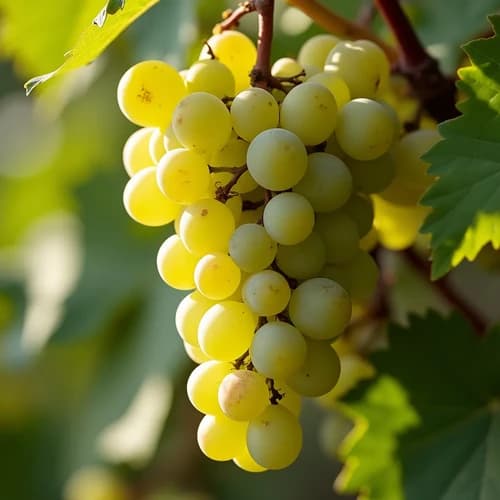
Malbec is a dark-skinned red grape variety with two faces. In its French homeland in the South West, around the town of Cahors, it has shaped the inky, tannic "black wine" for centuries and is locally also known as Côt or Auxerrois. In Argentina, by contrast, Malbec has enjoyed a second, glittering career: here it is the undisputed signature variety, standing for plush, velvety and fruit-forward red wines. Between the savoury, earthy growths of Cahors and the generous, sun-drenched wines from the high reaches of the Andes lies a fascinating spectrum – and it is precisely this range that makes Malbec one of the most exciting red grapes in the world.
Flavour Profile & Characteristics
Malbec impresses with a dark, fruit-forward profile carried by ripe blackberry, dark plum and black cherry. Characteristic is a pronounced floral note reminiscent of violets, lending the wine an elegant, perfumed dimension. With oak ageing, hints of cocoa, mocha, chocolate and sweet spice join in, rounding out the fruit and giving the wine depth.
The body is full and powerful, the tannins medium to firm and, in ripe Argentine versions, supple and velvety. The acidity sits in the medium range and the alcohol usually moves between 13.5 and 15% by volume. This combination makes Malbec a warming, deeply coloured red wine with a profound purple hue and an almost opaque core.
Depending on its origin, Malbec shows distinctly different facets. The Argentine style, especially from Mendoza, is plush, soft and generous, with ripe, almost jammy fruit and rounded tannins. The cooler Cahors style, by contrast, presents itself as more structured, earthy and savoury, with pronounced tannins and savoury notes of leather, graphite and undergrowth. Anyone tasting both styles side by side experiences impressively how much climate and terroir can shape the very same vine.
Origin & History
The roots of Malbec lie in South West France. In Cahors on the Lot river it has been the dominant grape for centuries, lending the famous, inky wine its name as the "black wine". The grape is locally also known as Côt and Auxerrois. In addition, Malbec is one of the six grapes traditionally permitted in Bordeaux blends, though today it plays only a minor role there, being regarded as susceptible and uncertain in yield.
In the 19th century Malbec arrived in Argentina, where it met ideal conditions. The sun-rich high altitudes at the foot of the Andes proved tailor-made for the variety: here it ripens reliably, develops deep colour and ripe, supple tannins. While the planted area in France was decimated by phylloxera and frost, Malbec flourished in Argentina and became the symbol of Argentine winemaking.
Today Argentina is the global home of Malbec and by far the largest producer. The variety has earned the country international recognition and stands worldwide as a synonym for approachable, powerful and well-priced red wines. France, above all Cahors, continues to cultivate the traditional, more savoury style and is increasingly reconnecting with the heritage of its region of origin.
Viticulture & Terroir
Malbec is a relatively demanding variety. Its thin grape skins make it susceptible to coulure (flower abortion) as well as to frost and fungal disease, which is why a reliable, dry climate is an advantage. This is exactly what the variety finds in the Argentine highlands: the intense sunshine and the large temperature swings between day and night ensure full ripeness while preserving freshness and colour.
Altitude is the decisive factor here. In Mendoza and especially the high-lying Uco Valley, the vines often grow at over a thousand metres. The strong UV radiation thickens the grape skin, leading to intense colour and ripe tannins. This shows even more dramatically in Salta, where the vineyards around Cafayate rank among the highest in the world. San Juan and the cooler, more southerly Patagonia also produce distinctive, promising Malbec wines.
In France, Malbec thrives above all in Cahors, where limestone and gravel soils combined with the more temperate climate yield more structured, savoury wines. Poor, well-drained soils and limited yields deliver the most concentrated and expressive results everywhere.
Wine Styles & Variants
Malbec is vinified both as a single varietal and as a cuvée partner. In Argentina the single-varietal style dominates: the spectrum ranges from fruity, easy-going everyday wines to concentrated, barrique-aged top growths from the best sites of the Uco Valley. These wines are deeply coloured, velvety and fruit-forward, with fine spice from oak ageing.
In its French homeland Malbec is the main component of the wines of Cahors, where it is frequently blended with small proportions of Merlot or Tannat. These wines are more structured and longer-lived, with pronounced tannins and savoury, earthy notes. In Bordeaux, Malbec is today merely a minor variety that occasionally contributes colour and spice to blends.
Besides powerful reds, Malbec also produces fruity rosé wines as well as an increasing number of high-quality single-vineyard wines that capture the unique terroir of individual Argentine high-altitude valleys. Ageing ranges from fruit-preserving fermentation in stainless steel or concrete tanks to maturation in French or American oak, which brings in additional aromas of vanilla, cocoa and sweet spice.
Typical Aromas
Primary Aromas (from the grape)
Blackberry & dark plum: The fruity backbone of Malbec – juicy, ripe dark fruit characterises almost every wine and gives it its deeply coloured, generous character. In hot sites the fruit tends toward jam and prune.
Black cherry: A sweet, deep cherry note complements the dark fruit and lends the wine richness and succulence, especially in ripe Argentine versions.
Violet & floral notes: The characteristic floral dimension of Malbec. Hints of violet give the wine elegance and a perfumed, almost delicate side that forms an appealing contrast to the power of the fruit.
Secondary Aromas (from winemaking)
Cocoa & mocha: With oak ageing, aromas of cocoa, dark chocolate and mocha develop, lending the wine depth and a pleasantly roasted note.
Sweet spices & vanilla: Oak ageing brings out hints of vanilla, cinnamon and sweet baked goods that caress the dark fruit but should not mask it.
Tertiary Aromas (from ageing)
Leather & graphite: With increasing age, especially in structured wines from Cahors, earthy, savoury notes of fine leather and graphite develop, giving the wine complexity and rustic depth.
Undergrowth & dried fruits: Older vintages show hints of moist earth, tobacco and dried fruit, while the once-fresh fruit concentrates and evolves toward plum jam.
High-quality Malbec wines from top sites can certainly age for ten years and beyond, developing an appealing balance of fruit, spice and tertiary complexity. Fruit-driven, easy-going versions, on the other hand, are made for youthful enjoyment.
Food Pairing
Perfect Combinations
Steak & Argentine asado: The classic pairing par excellence. The firm tannins and dark fruit of Malbec harmonise perfectly with a juicy, grilled steak or a generous Argentine asado. The fat of the meat melts against the tannins, while the fruit takes up the seasoning of the grill.
Grilled & braised red meats: Whether grilled over open fire or slowly braised, robust red meat is an ideal partner for Malbec. Grilled meat dishes bring out the wine's roasted cocoa and mocha notes especially beautifully.
Lamb & empanadas: Tender, spiced lamb as well as the savoury filled empanadas omnipresent in Argentina underline the fruit-forward richness and the fine spice of the wine.
Full-flavoured hard cheeses: Mature hard cheeses with intense aroma form an appealing contrast to the dark fruit and tannins of Malbec and round off a meal harmoniously.
Malbec is a variety with a dual identity: savoury and earthy in its French homeland of Cahors, plush and velvety in the sunny highlands of Argentina. It is precisely this range, paired with dark fruit, floral elegance and irresistible drinkability, that makes Malbec one of the great success stories of the modern wine world.