





Introduction
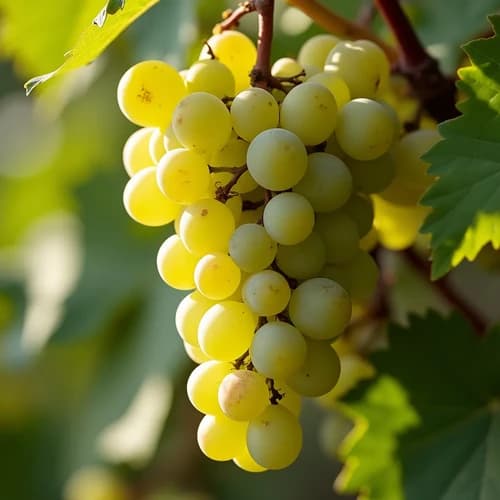
Verdelho is one of Portugal's most exciting – and most frequently misunderstood – white grape varieties. It first became famous as one of the four noble grapes of Madeira, where it produces an unmistakable medium-dry, fortified wine. But Verdelho is far more than an island speciality: in Australia it has reinvented itself as a dry, aromatic still wine – juicy, full-flavoured and brimming with a thrilling freshness. Anyone looking for lime, citrus and melon in the glass without sacrificing character and depth will find Verdelho hard to ignore.
Flavour Profile & Characteristics
Verdelho combines two qualities that rarely come together so harmoniously: a lively, almost cutting acidity and a noticeable fullness on the palate. Dry Verdelho wines first show juicy citrus fruit in the glass – lime above all – complemented by notes of lemon, grapefruit and ripe melon. These are joined by hints of white peach and stone fruit and a subtle, almost waxy texture that lends the wine substance. Fresh herbs and a slightly savoury edge round off the picture.
The body is medium, and the alcohol content of dry still wines usually falls between 12.5 and 14% by volume. Unlike many light, neutral whites, Verdelho has enough weight to accompany heartier dishes without losing its refreshing liveliness. This balance of freshness and fullness is what makes it so versatile.
Depending on climate and ageing, Verdelho shows different facets: in cooler sites, freshness and citrus precision dominate; in warmer regions, ripe melon and stone-fruit aromas and a richer texture come to the fore. The fortified Madeira Verdelho is a chapter of its own – here the island's characteristic acidity merges with smoky, nutty and dried-fruit notes into an unmistakable profile.
Origin & History
Verdelho's home is Portugal. On Madeira, the Atlantic volcanic island off the coast of North Africa, it found what is arguably its most famous stage over the centuries. Here Verdelho is one of the four classic noble grapes of the island – together with Sercial, Bual and Malmsey (Malvasia). Each of these grapes stands for a particular sweetness level of fortified Madeira wine, and Verdelho marks the medium-dry style.
From mainland Portugal, where Verdelho has also long been cultivated, the variety made its way to the New World. It took hold particularly in Australia and enjoyed a remarkable renaissance there. In the Hunter Valley north of Sydney and in other Australian regions, the traditional Portuguese grape developed into a modern, dry still wine with a character all of its own.
A common misunderstanding concerns the name: Verdelho is easily confused with Spain's Verdejo from Rueda, as well as with the north-western Spanish Godello. Despite the similar sound, these are three entirely distinct grape varieties with different origins and different characters. Anyone wishing to explore the differences among Iberian whites will find an illuminating comparison in the profile of Verdejo.
Viticulture & Terroir
Verdelho is a comparatively robust variety that tolerates warm climates well and still retains its characteristic acidity – a rare and valuable trait. It is precisely this ability to deliver freshness even under intense sunshine that has made it so popular in regions such as Australia.
On Madeira, Verdelho grows on steep, often terraced slopes on volcanic soils. The mild, ocean-influenced climate and the meagre sites produce grapes with high acidity and concentrated aroma – the ideal basis for the fortified Madeira style. On mainland Portugal, for example in the vineyards around Lisbon and in further growing areas, it is above all dry still wines that emerge.
In Australia, Verdelho has established itself especially in the warm Hunter Valley, but it is also successfully grown in other regions of the country. Here the grape ripens into full-flavoured, aromatic wines that retain their fresh acidity despite the warmth. The variety prefers well-drained soils and is sensitive to excessive yields, which can lead to diluted, characterless wines.
Wine Styles & Variants
Verdelho appears in two very different main styles that could hardly be more contrasting.
The dry still wine is today the most widely produced style worldwide. From Australia and mainland Portugal in particular come full-flavoured, aromatic whites with lime, citrus, melon and stone fruit, carried by a fresh, lively acidity and a slightly waxy, herbal note. These wines are usually fermented in stainless steel to preserve the primary fruit and freshness; some top wines are partly aged in oak, which brings additional texture and complexity. Dry Verdelho is an excellent food companion and a refreshing aperitif at the same time.
The fortified Madeira Verdelho is the historic and most noble expression of the variety. On Madeira, Verdelho yields a medium-dry, fortified wine that is drier than the sweeter Bual and Malmsey styles, yet fuller and rounder than the bone-dry Sercial. The characteristic Madeira heating and long ageing produce smoky, nutty aromas, notes of citrus peel, dried fruits and caramel – always carried by the island's famous, searing acidity. Madeira Verdelho is exceptionally long-lived and can age for decades.
Between these poles there are further variations, such as medium-dry or more mature still wines from the mainland. But the contrast between fresh, dry still wine and profound, fortified Madeira is what gives this variety its special appeal.
Typical Aromas
Primary Aromas (from the grape)
Lime: The leitmotif of Verdelho – juicy, fresh lime aromas characterise especially the dry still wines and give them their lively, citrus clarity.
Citrus fruits: Alongside lime, notes of lemon, grapefruit and sometimes lemongrass appear. This citrus component provides tension and freshness.
Melon & white peach: In warmer sites and with riper grapes, aromas of juicy melon and white peach emerge, lending the wine fullness and a gentle sweetness on the nose.
Fresh herbs: A subtle savoury edge and a slightly waxy quality give Verdelho depth and set it apart from simpler, neutral whites.
Secondary Aromas (from winemaking)
Lees & brioche: Through ageing on the fine lees, creamy notes and fine bread aromas develop, lending the wine additional texture.
Discreet oak spice: When Verdelho is partly aged in oak, fine hints of sweet spice and vanilla join in, without masking the citrus fruit.
Tertiary Aromas (from ageing)
Nuts & smoke: Above all in fortified Madeira Verdelho, long ageing and heating produce smoky, nutty notes of almond and walnut.
Dried fruits & citrus peel: Aged Madeira Verdelho shows aromas of dried apricots, orange peel and caramel – complex, deep and long-lived.
Honey & caramel: Over the years, aged Verdelho wines develop delicate notes of honey and caramel that harmonise beautifully with the ever-present acidity.
Dry Verdelho wines are mostly made for young, fresh enjoyment, though good examples can gain on the bottle for a few years. The fortified Madeira Verdelho, on the other hand, is among the longest-lived wines in the world and matures over decades into impressive complexity.
Food Pairing
Perfect Combinations
Grilled fish & seafood: Dry Verdelho with its lively acidity is an ideal partner for grilled fish, sautéed prawns, mussels and oysters. The citrus freshness acts like a squeeze of lime and underscores the delicate sea note of the dishes.
Asian dishes: The combination of fruit, freshness and medium body makes dry Verdelho an excellent companion for Thai, Vietnamese or lightly spiced Asian cuisine. The lime and herbs in the wine pick up the aromas of coriander, ginger and lemongrass.
Roast chicken & light poultry: The fullness of dry Verdelho also holds up to heartier dishes. Crisp roast chicken, poultry with a lemon-herb marinade or grilled turkey harmonise perfectly with the balance of acidity and body.
Madeira Verdelho with soups, ham & cheese: The fortified, medium-dry Madeira Verdelho is a classic companion for clear soups and consommé, for cured ham and for mild cheese. Its smoky, nutty depth and firm acidity create an elegant balance with these dishes.
Verdelho is a variety with two faces: fresh and full as a dry still wine, deep and unmistakable as fortified Madeira. It proves that a single grape can unite two completely different worlds – and rewards anyone undeterred by the similar-sounding names with a character all its own and thoroughly captivating.