




Introduction
Riesling is rightfully regarded as the king of white wines — few other grape varieties combine such brilliant acidity, crystalline minerality, and aromatic diversity in a single glass. From bone-dry to nobly sweet, from youthfully fresh to complex and aged: Riesling shows you the full spectrum of what white wine can be. This German noble variety enchants with its ability to reflect terroir like a fingerprint in the glass.
Flavor Profile & Character
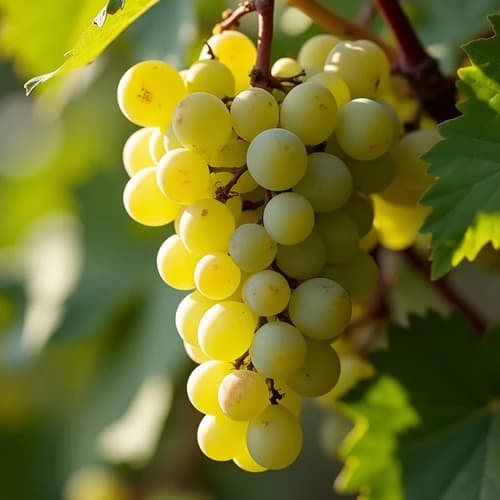
Riesling is a true chameleon among grape varieties, yet its hallmarks remain consistently recognizable: an electrifying acidity and an aromatic precision that is second to none. In the glass, typical Riesling presents with a bright pale yellow to golden color.
The flavor profile ranges from crisp green apples and zesty lemon in cool climates to juicy peach and exotic fruits in warmer regions. The characteristic acidity is never aggressive; rather, it acts like a tension arc that holds all the aromas together and gives the wine its unparalleled freshness.
Particularly fascinating is how Riesling develops in the glass and over the years: young Rieslings display primarily fruity notes, while aged examples develop complex petrol notes, honey, and a deep minerality. The famous "petrol aromas" arise through the natural aging process and are especially prized by connoisseurs — they are a sign of quality and maturity.
Depending on how it is made, Riesling can come across as feather-light and playful, or impress with remarkable concentration and complexity. Dry Rieslings are taut and precise, while Spätlesen and Auslesen, with their balance of sweetness and acidity, rank among the greatest wine experiences.
Origin & History
The roots of Riesling are firmly anchored in Germany's Rhine region. The first documented mention dates to 1435, near Rüsselsheim am Main. Yet as far back as the Middle Ages, the variety was likely cultivated in monastery gardens along the Rhine.
In the 18th and 19th centuries, Riesling experienced its golden age — German Rieslings from the Rheingau fetched higher prices than the finest Bordeaux wines at the time. This "golden era" established Riesling as an internationally sought-after noble variety.
After a decline in the post-war period, when mass production and sweeter wines tarnished its image, Riesling has enjoyed an impressive renaissance since the 1980s. Today the variety is grown on approximately 60,000 hectares worldwide, with Germany still the heartland at over 24,000 hectares.
Beyond Germany, Alsace in France, Austria (especially the Wachau), Australia (Clare and Eden Valley), and the Finger Lakes in the USA have all established themselves as premier Riesling regions.
Viticulture & Terroir
Riesling makes high demands on its environment, but rewards optimal conditions with extraordinary quality. The variety prefers cool to moderate climates where it can ripen slowly — this long growing season is essential for developing complex aromas while preserving acidity.
Climate conditions: Riesling loves cool nights and warm days; ideal conditions are found in riverside valley sites on hillsides. The reflection of sunlight from water (Mosel, Rhine) or steep slopes maximizes sun exposure and aids ripening.
Soil requirements: The variety shows its best side on slate, granite, limestone, and volcanic soils. Slate soils in particular (as on the Mosel) lend the wine its characteristic smoky minerality. Riesling's ability to reflect terroir so transparently makes it unique.
Key wine regions:
- Mosel: Europe's steepest vineyards, slate soils, delicate wines with racy acidity
- Rheingau: Classic German Riesling region, powerful and elegant wines
- Pfalz: Warmer climate, fruit-forward and fuller wines
- Alsace: Powerful, often dry Rieslings with richness
- Wachau (Austria): Mineral, dry Rieslings with structure
- Clare Valley & Eden Valley (Australia): Intense, citrus-driven Rieslings with aging potential
Wine Styles & Variants
The stylistic diversity of Riesling is breathtaking — from bone-dry to opulently sweet, everything is possible:
Kabinett: Light, elegant, often with a delicate residual sweetness (8–11% alcohol), perfect as a summer wine or aperitif.
Spätlese: Riper and more concentrated, available both dry and with natural sweetness. Made dry, these are powerful food companions; with residual sweetness they are a masterwork of balance.
Auslese: Made from especially ripe grapes, a sweeter style with brilliant acidity as a counterweight. Ideal with desserts or as a meditation wine.
Beerenauslese & Trockenbeerenauslese: The pinnacle of sweet wines — concentrated, complex, with decades of aging potential. Made from botrytis-affected grapes (Botrytis cinerea).
Eiswein: Grapes harvested frozen at at least -7°C yield concentrated sweet wines with crystal-clear acidity.
Regional differences: While German Rieslings are often playful and acidity-driven, Alsatian examples show more body and power. Australian Rieslings are intensely citrusy and structured; Austrian versions are dry and mineral.
Blending partners: Riesling is typically produced as a single-variety wine. In some regions it occasionally appears in white wine blends, but its individuality makes it the perfect solo performer.
Typical Aromas
Primary Aromas (from the grape)
Green apple & lemon: In cooler climates, these fresh, crisp notes dominate. They give the wine its characteristic vibrancy and precision.
Peach & apricot: In warmer sites or with riper grapes, these stone-fruit aromas develop, lending the wine juiciness and roundness.
Lime & grapefruit: Especially pronounced in Australian and New Zealand Rieslings, these citrus aromas bring additional freshness and complexity.
Blossoms & honey: Delicate floral notes of linden blossom or acacia; in more mature wines, honeyed nuances that underscore elegance and delicacy.
Minerality: The characteristic "slate aroma" or a salty sea-breeze note — depending on the soil, Riesling shows smoky, stony, or chalky facets.
Secondary Aromas (from winemaking)
Yeast notes: With extended lees aging, creamy, brioche-like notes develop, lending the wine more texture and complexity — especially in dry, powerful Rieslings.
Vanilla & butter: Rare, since Riesling is usually aged in neutral vessels, though some producers experiment with oak aging for additional creaminess.
Tertiary Aromas (from aging)
Petrol: The famous "petrol aroma" arises from the breakdown of carotenoids during bottle aging. Initially challenging for newcomers, it is for connoisseurs a sign of noble maturity.
Honey & beeswax: Over the years these waxy-sweet notes develop, lending aged Rieslings their depth and complexity.
Toasted nuts & dried fruits: In well-aged wines, aromas of toasted almonds and dried apricots appear — a sign of great aging potential.
Aging potential: Riesling is among the longest-lived white wines in the world. Simple Kabinetts can age 5–10 years, Spätlesen and Auslesen 15–25 years, while great Trockenbeerenauslesen or Eisweine can comfortably carry 30–50 years or more.
Food Pairing
Perfect Combinations
Asian cuisine (Thai, Vietnamese, sushi): The combination of fruity Riesling and spicy Asian dishes is legendary. The residual sweetness of a Spätlese harmonizes perfectly with the heat of Thai curry, while the acidity balances the flavors. With sushi, dry Riesling creates a crystal-clear palate that highlights the nuances of raw fish.
Poultry & pork: A dry Riesling Spätlese is the ideal partner for poultry with fruit sauces or juicy roast pork. The acidity cuts through the fat, while the fruit complements the savory aromas.
Seafood & fish: From simple prawns to complex fish dishes — Riesling is the all-rounder. Its minerality pairs perfectly with oysters, while its freshness accompanies pan-fried fish.
Cheese: Pungent Münster from Alsace, creamy goat's cheese, or aged Comté find their match in Riesling. The acidity cuts through the creaminess, and the fruit balances salty notes.
Pro tip: Sweeter Riesling styles (Auslese, Beerenauslese) are spectacular with blue cheese, fruity desserts, or even foie gras — the balance between sweetness and acidity makes it possible.
Riesling is more than just a grape variety — it is a way of life for all who appreciate finesse, complexity, and versatility in the glass. Whether you are just diving into the world of wine or have been there for years: Riesling always has a new facet to reveal.