




Introduction
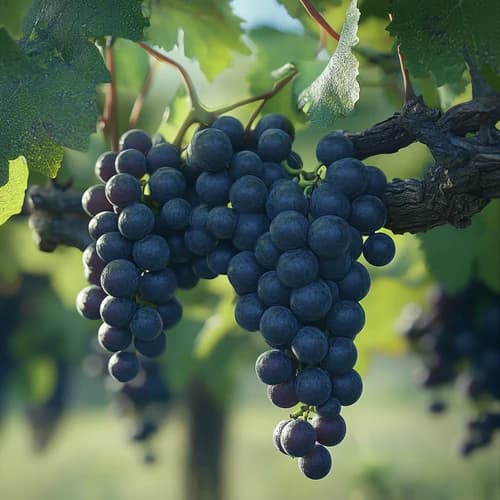
Barbera is the underrated heroine of Piedmont – a grape variety that demonstrates, with its vibrant acidity and juicy fruit, that great Italian red wine need not always be tannic and age-worthy. While Nebbiolo and Barolo dominate the headlines, Barbera captivates with its uncomplicated drinkability and remarkable versatility at the table. This ancient Piedmontese variety has long since secured a firm place in the hearts of wine lovers who appreciate fruit-forward, accessible reds with character.
Flavour Profile & Characteristics
The defining feature of Barbera is its exceptionally high acidity, which lends the variety a refreshing vivacity. Unlike many other Italian reds, the tannins are rather restrained, making Barbera accessible even when young. The flavour profile is dominated by juicy red fruits – above all sour cherry and raspberry – which appear especially intense due to the snappy acidity.
In cooler sites of Piedmont, Barbera shows a slimmer, more elegant side, with pronounced notes of fresh red berries and an almost Burgundian finesse. Here the natural acidity comes particularly into its own, giving the wines an inviting drinkability. Warmer locations yield more concentrated wines with greater body and riper fruit aromas, without sacrificing the characteristic freshness.
The modern practice of ageing in barriques has opened a new dimension for Barbera. Contact with oak wood adds complexity, structure and ageing potential. The fruit turns darker, notes of black cherry, liquorice and spicy herbs emerge, while gentle vanilla and toasty nuances round out the texture. Yet the vital acidity remains the backbone of the wines, preventing them from seeming too opulent or heavy.
With increasing age, high-quality Barbera wines develop additional tertiary aromas of dried herbs, tobacco and leather, while the fruit gains in concentration. The acidity integrates more harmoniously, lending the wines an elegant maturity.
Origin & History
Barbera is among the oldest documented grape varieties in Italy and has been cultivated in Piedmont since at least the 13th century. The first written record dates from 1246 in the documents of the Cathedral of Casale Monferrato. The name most likely derives from the Latin "vitis barberis," though the precise etymological origin remains disputed.
For centuries Barbera was the everyday vine of Piedmontese winegrowers – a working wine for daily needs while Nebbiolo was reserved for special occasions. Its robustness, reliable yields and early ripening made it the preferred choice for the local population. This pragmatic role long shaped the variety's image as a simple table wine.
Today Barbera is the third most planted red grape in Italy, cultivated on over 28,000 hectares. Piedmont remains the undisputed centre with around 16,000 hectares, but the variety has also established itself in Lombardy, Emilia-Romagna and even southern Italy. Outside Italy, notable plantings can be found in California, Argentina and Australia, where producers have recognised the variety's potential for lively, fruit-forward reds.
Viticulture & Terroir
Barbera is an adaptable and robust variety that thrives in a wide range of climates. It shows its best side, however, in the hills of Piedmont, where cool nights during the ripening phase preserve the characteristic acidity while sunny days ensure adequate sugar ripeness. The variety buds late and is therefore less frost-prone, but ripens early – typically mid to late September.
The soils of Piedmont play a decisive role in shaping the character of the wines. On calcareous marl soils, such as those found in Asti and Alba, Barbera displays particular elegance and minerality. Sandy loam soils give the wines more body and softer tannins, while clay-rich soils promote structure and longevity. The variety is notably high-yielding, which makes yield management crucial for quality wines.
The most important growing areas for Barbera are Barbera d'Asti DOCG and Barbera d'Alba DOC in Piedmont. Barbera d'Asti is traditionally considered the more elegant, finely fruity variant with pronounced acidity, while Barbera d'Alba tends to be somewhat fuller-bodied and more concentrated. Nizza DOCG, an independent appellation within Asti since 2014, represents the apex of the quality pyramid with strict yield reductions and a longer minimum ageing period.
Wine Styles & Variants
Barbera is produced across a wide spectrum of styles, from simple, fresh everyday wines to complex, barrique-aged premium qualities. The classic style foregoes oak ageing and presents the variety in its purest form: juicy, fruity, with snappy acidity and low tannins. These wines are intended for immediate enjoyment and shine through their uncomplicated drinkability.
Since the 1980s, ageing in French barriques has become established and has elevated Barbera to new heights. Contact with oak wood gives the wines more structure, complexity and ageing potential without masking the characteristic fruit and acidity. Many modern Barbera wines are also aged in large wooden casks (botti), representing a middle ground between traditional and modern style.
In the Nizza region, a distinct premium style has evolved that prescribes low yields, selective hand harvesting and a minimum of 18 months' ageing (of which 6 months in wood). These wines show extraordinary concentration, depth and ageing potential while maintaining the typical Barbera freshness.
Barbera is only rarely used in blends, since its pronounced acidity and distinctive fruit would make it a dominant partner. Occasionally one finds blends with Nebbiolo or Dolcetto, but the variety shines most convincingly as a varietal wine.
Typical Aromas
Primary Aromas (from the grape):
The primary aromas of Barbera are dominated by juicy red fruits. Sour cherry leads the way – a fresh, slightly tart cherry note that appears especially vivid due to the high acidity. Raspberry adds a sweetly fruity component, while blackcurrant contributes dark berry fruit in more concentrated examples. In cooler climates notes of strawberry and cranberry also appear; in warmer sites, riper blackberry and black cherry tend to dominate.
Another characteristic element is the spicy-herbal notes. Dried Mediterranean herbs such as thyme and oregano lend Barbera an earthy complexity that is especially pronounced in wines from higher elevations. This herbal spice harmonises perfectly with the intensity of the fruit and underscores the Italian character of the wines.
Secondary Aromas (from winemaking):
In Barbera wines aged in barrique, secondary aromas emerge that add a further dimension. Vanilla and sweet spices such as cinnamon and clove are typical of oak influence. In high-quality wines these aromas integrate harmoniously into the fruit profile, supporting rather than dominating it.
Black pepper is another common secondary aroma, which can arise both from fermentation and from wood ageing. It gives the wine a spicy sharpness that pairs particularly well with the dark fruit aromas of more mature examples. Liquorice and anise can also appear, especially in wines from warm vintages or ripe vineyard sites.
Tertiary Aromas (from ageing):
High-quality Barbera wines – particularly from Nizza DOCG or carefully selected single vineyards – develop interesting tertiary aromas with 5–10 years of bottle age. The fresh fruit transforms into compote and dried cherries, while earthy notes of damp forest floor and mushrooms emerge. Leather and tobacco add a rustic elegance typical of aged Piedmontese reds.
The ageability of Barbera is moderate and depends greatly on the ageing method and origin. Simple wines aged in stainless steel should be drunk within 2–3 years. Barrique-aged premium qualities from Nizza or Alba can comfortably age for 8–12 years, gaining in complexity while not entirely losing their characteristic freshness. The high acidity acts as a natural preservative and contributes to longevity.
Food Pairing
Perfect Combinations:
Barbera's high acidity and low tannins make it an exceptionally versatile companion at the table. The classic pairing is pasta with tomato sauce – the wine's acidity harmonises perfectly with the freshness of tomatoes and cuts through rich cream or meat sauces. Whether spaghetti Bolognese, penne arrabbiata or lasagne – Barbera is the ideal partner for Italian cuisine.
Pizza and hearty dishes also benefit from the lively acidity. The low tannins make Barbera the perfect companion for pizza with the widest variety of toppings, while the fruit intensity plays nicely with spicy salami or cured ham. Barbera also shows its best side with grilled vegetables and herbs or stuffed peppers.
For roasted or braised meats, the fuller-bodied, barrique-aged Barbera wines are especially suitable. The spicy aromas and integrated acidity complement veal Milanese, ossobuco or pot roast excellently. The acidity cuts through richer preparations and refreshes the palate between bites.
Medium-aged cheeses such as Pecorino, young Parmesan or Taleggio find a worthy partner in Barbera. The wine's acidity balances the creaminess of the cheese while the fruity notes create interesting flavour contrasts. You should, however, avoid very intense blue cheeses, as these can overpower the delicate fruit aromas.