




Introduction
Imagine standing on the rugged Atlantic coast of Galicia, the salty sea breeze blowing in your face -- Albariño captures exactly that feeling in a bottle. This extraordinary white grape from northwestern Spain has evolved in recent decades from a regional secret to an internationally celebrated star. What makes Albariño so special is its unique combination of crisp acidity, intense fruit aromas and a characteristic mineral-saline note that pairs perfectly with seafood.
Flavor Profile & Characteristics
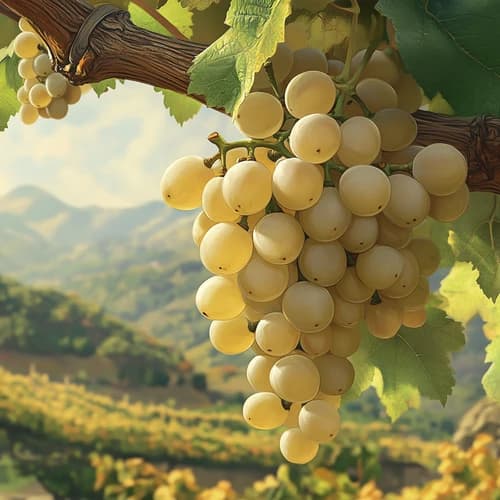
Albariño is a feast for the senses with a remarkably vibrant flavor profile. In the glass, the grape presents a brilliant pale yellow to pale green color that already announces its freshness. The first sip reveals an impressive acid structure that makes the wine lively and refreshing without being aggressive.
The aromatic profile is dominated by intense citrus notes -- lemon, lime and grapefruit take center stage. They are joined by juicy stone fruits like white peach and apricot, which give the wine a pleasant fullness. What truly sets Albariño apart, however, is its characteristic saline minerality, reminiscent of sea air and wet stones. This maritime note makes the grape unmistakable and a perfect companion for coastal dishes.
Depending on winemaking and origin, the flavor nuances can differ significantly. Wines from the coastal areas of Rías Baixas typically show more salinity and minerality, while examples from warmer, more sheltered sites can be somewhat more fruit-forward and fuller-bodied. Albariño is traditionally aged in stainless steel tanks to preserve freshness, though some winemakers also experiment with oak aging for additional complexity.
With age, Albariño develops additional facets: the bright fruit aromas become somewhat muted while honeyed notes and a light spiciness emerge. Most Albariño wines, however, show their best in their youth, when their freshness and vibrancy come into full expression.
Origin & History
Albariño's home lies in Galicia, the green, rainy region in the far northwest of Spain. Here, where the Atlantic meets rugged coastlines and the landscape is shaped by fjord-like inlets (the eponymous Rías), the grape has found its ideal conditions. Its historical roots stretch far back -- Cistercian monks presumably brought vines from Burgundy or the Rhine Valley to Galicia in the 12th century. Some ampelographers suspect a relationship with Riesling, though this has not been definitively proven genetically.
For centuries, Albariño remained a local specialty grown mainly for personal consumption. It was not until the 1980s that systematic quality-oriented production began, as savvy winemakers recognized the grape's extraordinary potential. In 1988, the Rías Baixas region received D.O. classification (Denominación de Origen), which helped Albariño achieve its breakthrough.
Today, Albariño is not only the pride of Galicia but is also grown in neighboring northern Portugal, where it is known as Alvarinho and an important component of Vinho Verde. Smaller plantings can now be found in California, Australia and New Zealand, where winemakers are fascinated by the grape.
Cultivation & Terroir
Albariño is a grape that directly translates its terroir into the bottle. It thrives best in cool, maritime-influenced climate zones with sufficient rainfall. The humid climate of Galicia, which poses challenges for many other grape varieties, is ideal for Albariño -- the thick grape skin provides natural protection against rot and allows the vine to ripen healthily despite frequent rains.
The best Albariño wines are produced on granite soils, which are widespread in Rías Baixas. These stony, well-draining soils give the wine its characteristic minerality and salinity. Proximity to the Atlantic ensures cool temperatures and a long growing season, giving the grape time to develop aromas while acidity remains at a high level.
In Rías Baixas, five sub-zones are distinguished, each with slightly different terroir characteristics. Val do Salnés, the coastal zone with the most Albariño plantings, produces the classic, salty and mineral wines. Further inland, in zones like Condado do Tea or O Rosal, wines become somewhat fuller-bodied and more fruit-forward.
Vines are traditionally trained on pergola systems (locally called "parral"), where the grapes grow high above the ground. This training method improves air circulation and significantly reduces the risk of rot in the humid climate.
Wine Styles & Variants
The classic Albariño style is young, fresh and single varietal. Most wines are aged in stainless steel tanks to preserve the bright fruit and crisp acidity. These wines are typically ready to drink within a few months and show their best qualities in the first two to three years.
In recent years, however, more and more winemakers have been experimenting with alternative aging methods. Some use older oak barrels or age the wine sur lie (on the lees), which brings additional texture and complexity. These barrel-aged Albariños show more creaminess, subtle spice notes and increased aging potential, yet never lose their characteristic acid backbone.
In Portugal, Alvarinho plays an important role in Vinho Verde blends, where it is often blended with Loureiro, Trajadura or Arinto. These wines are typically somewhat lighter and may have a slight spritz. Single-varietal Alvarinho wines from the Minho region are more concentrated and more closely resemble their Galician relatives.
Particularly exciting are old vines ("viñas viejas"), which have deeper roots and produce more concentrated, complex wines. These limited bottlings show the true potential of the grape and can certainly age for several years in bottle.
Typical Aromas
Primary Aromas (from the grape)
Citrus fruits: Lemon and lime dominate the aromatic profile with their refreshing intensity. In wines from cooler sites or early harvests, a fine grapefruit note may also shimmer through, slightly bitter and stimulating. This citrus freshness is the heart of Albariño's character.
Stone fruit: White peach and apricot bring a juicy, soft component into play. These aromas are particularly pronounced in grapes from warmer microclimates or with fully ripe harvesting. They lend the wine depth without heaviness.
Blossoms: Fine white blossom notes, often described as orange blossom or jasmine, hover above the fruit basket and give the wine an elegant, perfumed note. These aromas are particularly noticeable on the nose.
Minerality and salt: The characteristic salty note and mineral character comes from the granite soils and proximity to the sea. Descriptions like "wet stones," "chalk" or "oyster shell" capture the profile. This maritime minerality makes Albariño unmistakable.
Secondary Aromas (from winemaking)
Lees aging: Wines aged sur lie develop a creamy texture and subtle brioche or yeast dough notes that add complexity and mouthfeel to the wine.
Oak: In barrel-aged examples, subtle vanilla and toast notes are added, though these should never dominate the fruit. Good winemakers use wood very sparingly, usually with older barrels.
Tertiary Aromas (from aging)
Albariño is fundamentally designed for youthful enjoyment, but high-quality wines can certainly age 3-5 years. Over time, honey notes and a slight waxiness develop, while the fresh fruit aromas recede into the background. The acidity, however, remains remarkably stable, preserving the wine's vibrancy. Aged Albariños also often show a slight nuttiness and gain in texture and complexity while losing some of their youthful sprightliness. The best old-vine wines certainly have the potential to last a decade.
Food Pairing
Perfect Combinations
Seafood: The saline minerality and high acidity of Albariño make it the perfect partner for all types of seafood. Classics include Galician pulpo (octopus), percebes (goose barnacles) or simply fresh oysters. The acidity cuts through richness while the salty note creates a natural bridge to the flavors of the sea.
Fish: Grilled or steamed white fish, especially sole, turbot or sea bass, harmonize wonderfully. The wine's fruit complements the delicacy of the fish without overpowering it. Albariño is also the ideal choice with a Galician fish soup ("caldeirada").
Sushi and sashimi: The purity and freshness of Albariño pair excellently with raw fish. The acidity prepares the palate while the fruit aromas provide an exciting counterpoint to soy sauce and wasabi. The combination is particularly sublime with scallop or tuna nigiri.
Goat cheese and light salads: Young goat cheese or salads with citrus dressing benefit from the wine's vibrancy. The acidity enhances the freshness of the components while the fruit creates a beautiful balance. Albariño also works excellently with asparagus -- often difficult to pair with wine -- thanks to its minerality.
Albariño is more than just a white wine -- it is a liquid journey to the Galician coast, a sip of the Atlantic in the glass. Its versatility, freshness and unmistakable personality make it a wine that delights beginners and continually fascinates experienced wine lovers alike. Try it well chilled on a summer evening with fresh seafood -- and you will understand why this grape has captured the hearts of wine enthusiasts worldwide.