






Introduction
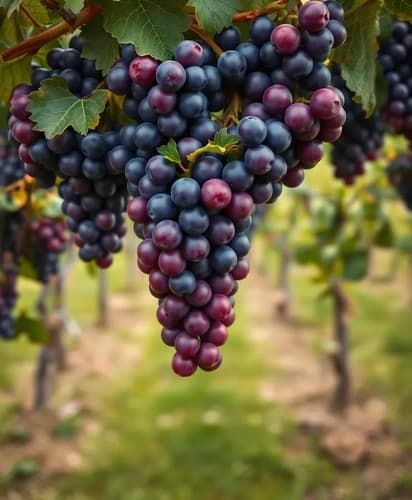
Agiorgitiko -- the name may seem unpronounceable at first, but this Greek noble grape variety is a true jewel of the Mediterranean. Known as the "Blood of Hercules," it combines juicy cherry fruit with Mediterranean spice and an elegance more commonly associated with Burgundy. This versatile grape from the legendary Nemea region shows that Greek red wine is far more than a hidden gem -- it is world-class in a glass.
Flavor Profile & Characteristics
Agiorgitiko impresses with a flavor profile that masterfully combines fruitiness and complexity. In the glass, the wine presents itself in luminous ruby red to deep garnet, depending on aging and age.
At the heart of the flavor are juicy red cherries and ripe plums -- these fruit aromas are never jammy but always fresh and vibrant. They are joined by notes of Mediterranean herbs, black olives and a fine spiciness reminiscent of cinnamon and pepper. This Mediterranean soul makes Agiorgitiko so unmistakable.
The tannins are a particular highlight: they are present and structure-giving but never harsh or astringent. Instead, they feel velvety and supple -- a quality Agiorgitiko shares with Pinot Noir or Nebbiolo. The acidity is lively enough to give the wine freshness without being dominant.
Depending on altitude, the grape shows different sides: at lower elevations, full-bodied, concentrated wines with ripe fruit and higher alcohol emerge. At the higher vineyards of Nemea (600-900 meters), more elegant, acid-driven wines with fine structure and greater aging potential develop.
With age, Agiorgitiko gains complexity: the primary fruit aromas are complemented by tertiary notes of leather, sweet tobacco and earthy nuances, while the tannins become softer and perfectly integrated.
Origin & History
The history of Agiorgitiko reaches deep into Greek antiquity. The name literally means "St. George" and refers to the small chapel of Agios Georgios in Nemea, where the grape has been cultivated for centuries. Some sources claim that wine was already grown on these slopes in ancient times -- possibly the same wine that athletes drank at the Nemean Games.
Nemea, the heartland of Agiorgitiko cultivation, lies in the northeastern Peloponnese and has been recognized as a protected designation of origin (PDO) since 1971. The region is famous not only for its wine but also as the place where Hercules, according to legend, defeated the Nemean Lion -- hence the romantic nickname "Blood of Hercules" for this grape variety.
For a long time, Agiorgitiko was mainly used for simple table wines. It was not until the 1980s that visionary winemakers recognized the true potential of the grape and began experimenting with modern cellar techniques and barrique aging. This quality revolution has brought Agiorgitiko onto the international stage.
Today, approximately 2,500 hectares of Agiorgitiko are cultivated in Greece, the majority concentrated in Nemea. However, the grape is also gaining ground in other regions of the Peloponnese as well as in Attica and Macedonia.
Cultivation & Terroir
Agiorgitiko is an adaptable grape variety that nevertheless delivers its best results in its home of Nemea. The unique topography and climate of this region create ideal conditions for premium wines.
Climate conditions: The grape prefers a Mediterranean climate with hot, dry summers and mild winters. Crucially, however, altitude matters: Nemea's vineyards extend from 250 to 900 meters above sea level. At higher elevations, cool nights ensure a longer ripening period and better acidity structure, while lower elevations produce fuller-bodied, higher-alcohol wines.
Soil requirements: Agiorgitiko thrives best on calcareous clay soils with good drainage. The reddish soils of Nemea, streaked with limestone and clay, lend the wines their characteristic minerality and structure. The vines are drought-resistant and cope well with the barren soils of the Peloponnese.
Key wine regions:
- Nemea PDO: The epicenter of Agiorgitiko cultivation, divided into three altitude zones with different quality tiers. The best wines come from the highest elevations.
- Corinth: Smaller growing areas with distinctive character
- Attica: Around Athens, for simpler everyday wines
- Macedonia: Experimental plantings with promising results
The best vineyards are on north-facing slopes, where the grapes ripen more slowly and better preserve their acidity -- essential for the wines' longevity.
Wine Styles & Variants
The versatility of Agiorgitiko is reflected in the broad range of wine styles produced from this grape:
Light red wines: From grapes at lower elevations, briefly aged, fruity and approachable. Perfect for everyday enjoyment, best drunk young, with pronounced cherry fruit and soft tannins (12.5-13% alcohol).
Classic Nemea: The middle category combines fruit and structure. Usually with brief barrique aging, these wines show balance between fruit, spice and tannins. The backbone of Greek red wine production (13-14% alcohol).
Reserve & Grande Reserve: From the best high-altitude vineyards, with at least 24 or 36 months of aging respectively. These wines display the full complexity of the grape: intense fruit, spicy oak notes, firm tannins and excellent aging potential (13.5-14.5% alcohol).
Rosé: Increasingly popular, especially from grapes at lower elevations. Fresh, aromatic, with strawberry and cherry notes, ideal for hot summer days.
Regional differences: Nemea wines are the benchmark with their balance of fruit and structure. Wines from Attica tend to be somewhat more rustic and powerful, while Macedonian experiments show a cooler, more elegant style.
Blending partners: While Agiorgitiko is often produced as a single varietal, increasingly interesting blends with Cabernet Sauvignon (for more structure), Syrah (for spice) or Merlot (for smoothness) can be found. These modern blends combine Greek terroir with an international style.
Typical Aromas
Primary Aromas (from the grape)
Red cherries: The heart of the Agiorgitiko profile. Juicy, ripe cherry aromas dominate, sometimes with a hint of sour cherry for additional freshness and vibrancy.
Black plums: In warmer sites or with fully ripe grapes, dark plum notes develop, lending the wine depth, sweetness and concentration.
Dried herbs: Mediterranean herbal notes such as oregano, thyme and sage are characteristic. They reflect the Greek maquis landscape and give the wine its unmistakable sense of origin.
Black olives: A subtle but typical note, particularly prominent in wines from lower, warmer sites. It underscores the Mediterranean character.
Spices: Fine notes of black pepper, cinnamon and clove bring complexity. This spicy component is often further enhanced by barrique aging.
Secondary Aromas (from winemaking)
Vanilla & sweet wood: In barrel-aged wines, creamy vanilla notes and sweet wood aromas develop, harmoniously blending with the fruit.
Chocolate & cocoa: High-quality Agiorgitiko wines, especially after extended barrel aging, show notes of dark chocolate and cocoa, conveying depth and luxury.
Smoke & toast: With more intensive use of oak, subtle smoky notes and toast aromas can emerge, adding further complexity to the wine.
Tertiary Aromas (from aging)
Leather & sweet tobacco: With five to ten years of bottle age, premium Agiorgitiko wines develop these noble, spicy tertiary aromas reminiscent of fine Italian or French reds.
Earthy notes: Aged wines show nuances of damp earth, forest floor and undergrowth -- signs of complexity and maturity.
Aging potential: Agiorgitiko possesses good to very good aging potential. Simpler wines should be drunk young (1-3 years), classic Nemea wines develop over 5-8 years, while reserve qualities can easily age 10-15 years. The finest Grande Reserve wines from top vineyards can have 20 years or more of life.
Food Pairing
Perfect Combinations
Greek classics (Moussaka, Souvlaki, Pastitsio): Here the circle closes -- Agiorgitiko is the perfect partner for Greek cuisine. The wine's fruit harmonizes with tomato-based sauces, the tannins cut through ground meat and cheese, while the spice complements Mediterranean herbs. A classic Nemea with Moussaka is a culinary home match.
Grilled meat & lamb: The velvety tannins and spicy fruit make Agiorgitiko the ideal grilling wine. Especially with lamb chops, grilled meat skewers or beef steak, a powerful Reserve Agiorgitiko is a revelation. The char aromas from the grill and the smoky notes of the wine complement each other perfectly.
Pizza & pasta with tomato sauce: The lively acidity of Agiorgitiko loves tomatoes. Whether with Pizza Margherita, Spaghetti Bolognese or Penne Arrabbiata -- the wine cuts through the acidity of the tomatoes and makes the flavors shine.
Mediterranean vegetables & mezze: With grilled eggplant, stuffed vine leaves, hummus or fried halloumi, a lighter Agiorgitiko or a rosé is ideal. The herbal notes of the wine harmonize with the vegetables, and the fruit balances salty and spicy components.
Pro tip: For spicy dishes from Levantine cuisine (za'atar spices, harissa), a medium-bodied Agiorgitiko with good fruit and moderate tannins is perfect. The wine's spice complements the seasonings without being overpowered by them.
Agiorgitiko is Greece's answer to the great red wine varieties of the world -- and impressively proves that Mediterranean elegance and structure can go hand in hand. Discover this fascinating grape variety and let yourself be transported to the sun-drenched world of the Peloponnese.